
Last updated November 20, 2026
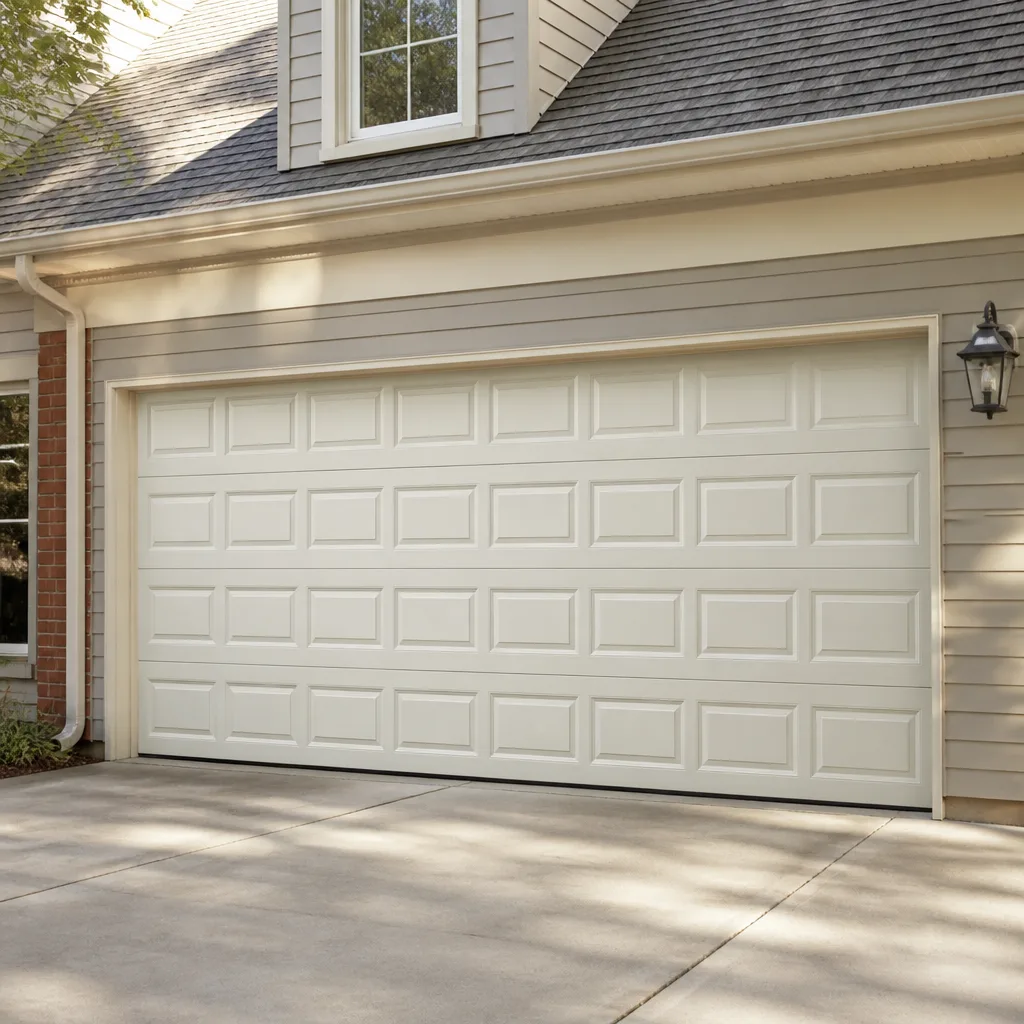 Raised-panel steel
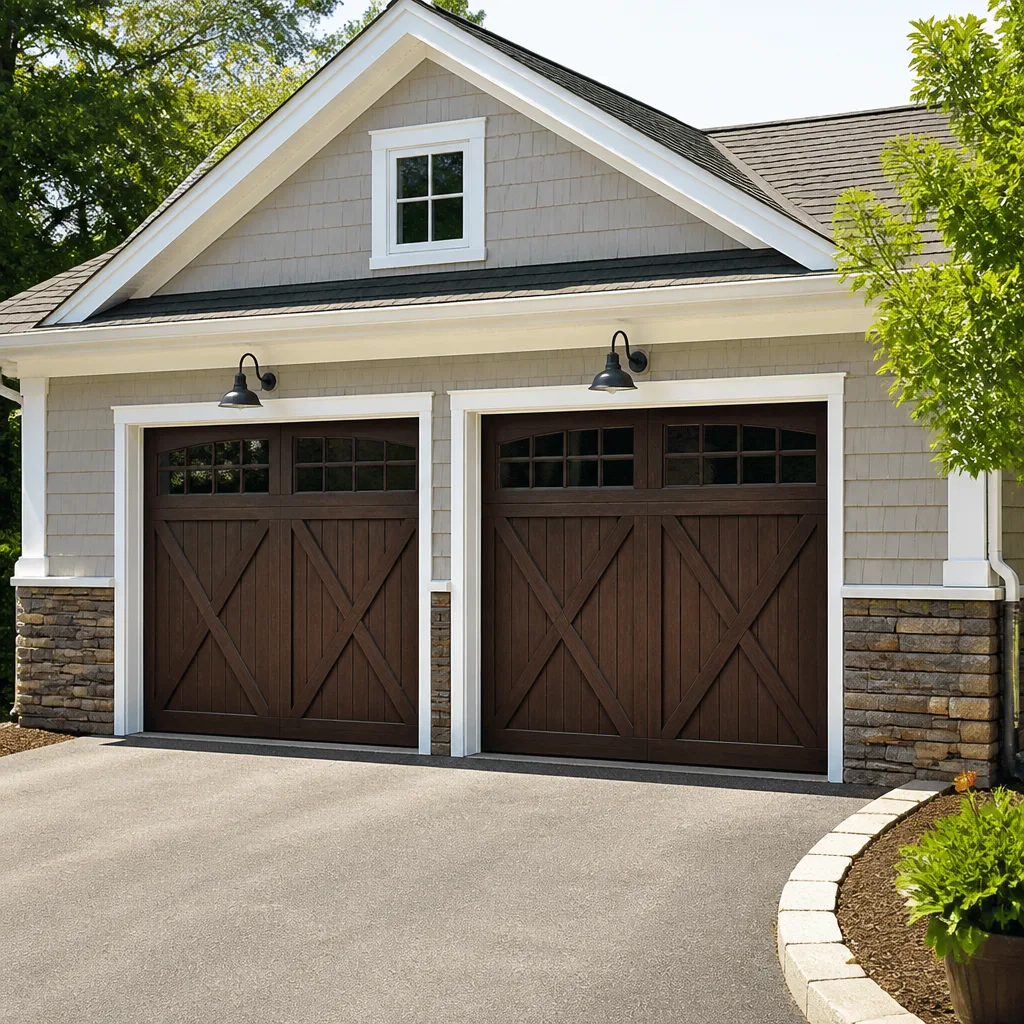 Carriage house
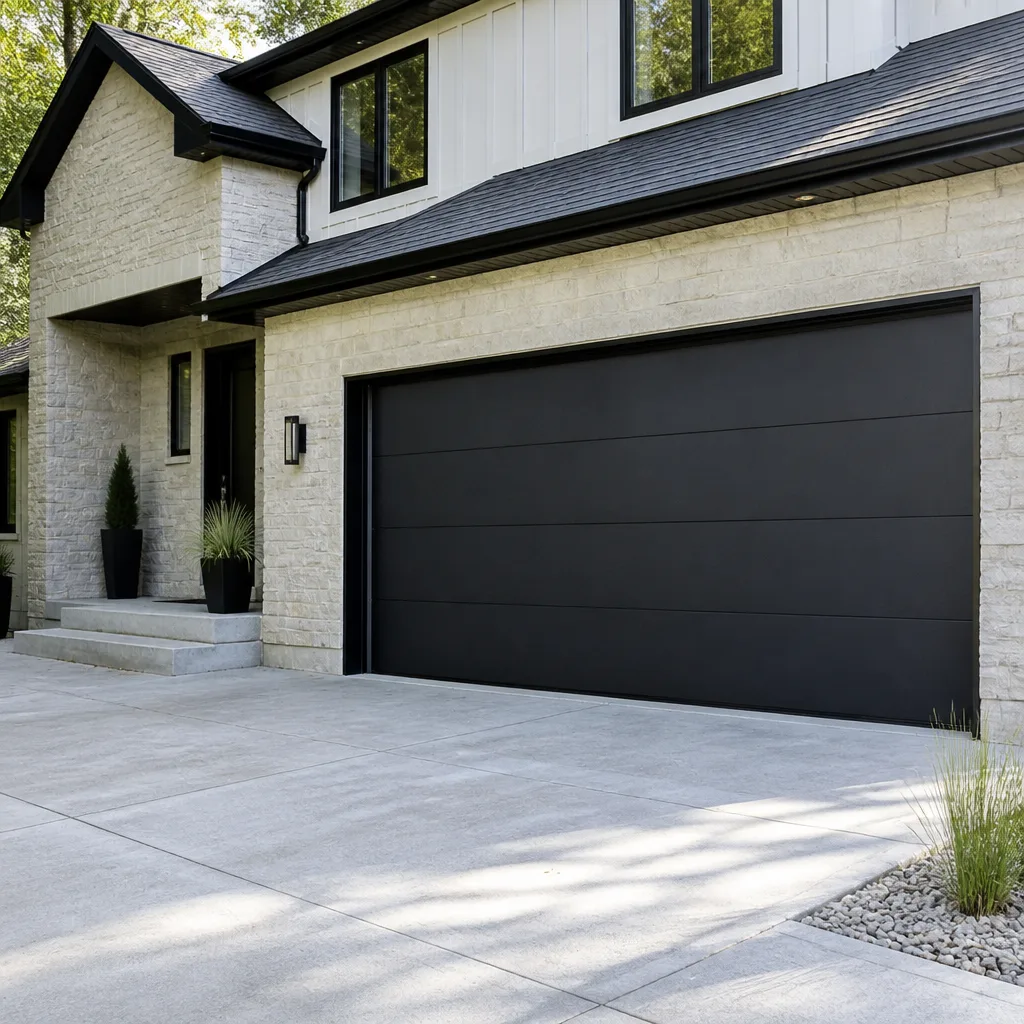 Modern flush
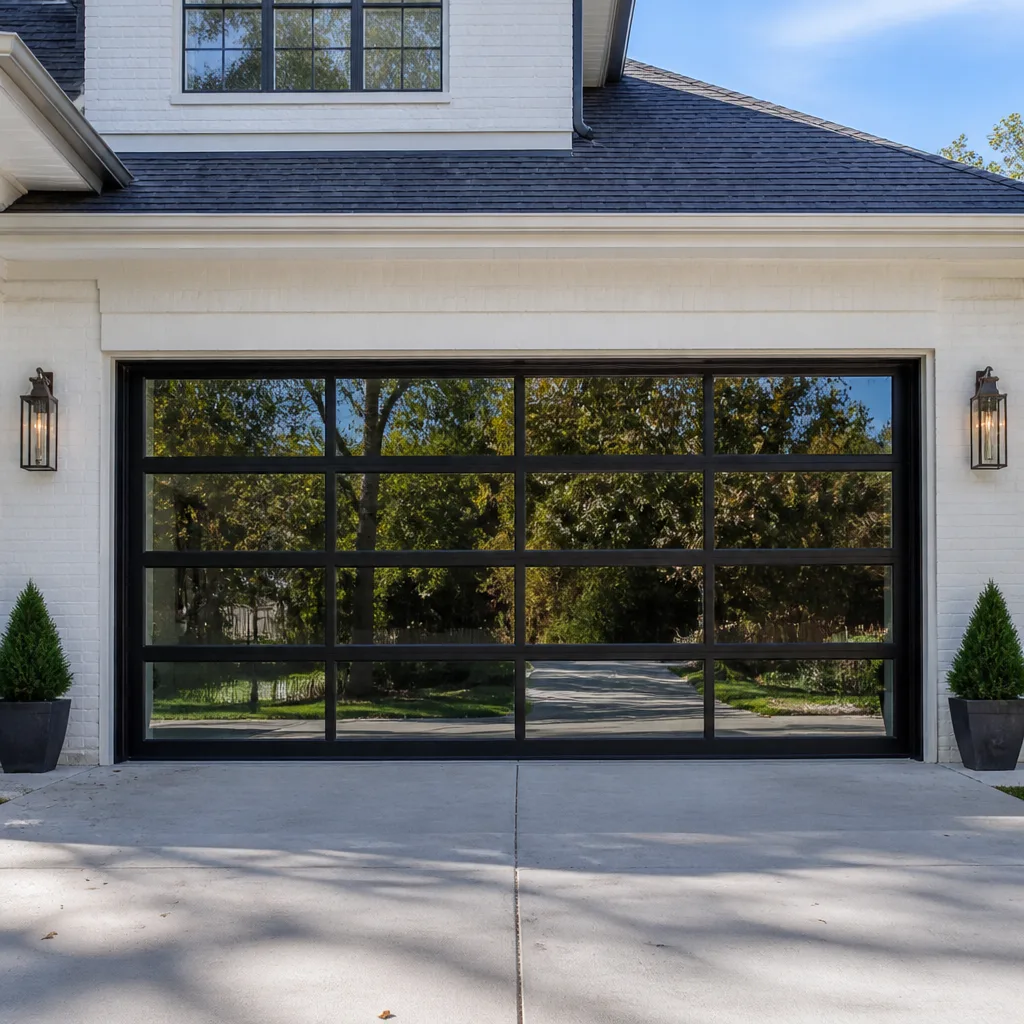 Full-view glass
 LiftMaster openers
 Chamberlain openers
Full 25-point door and opener safety check with every visit - springs, cables, rollers, tracks, and your LiftMaster or Chamberlain opener included
You get a price before we start. It does not change when the pro arrives.
Get your free estimateChoosing the Right Garage Door Brand: A Buyer’s Guide for Milford
Clopay and Wayne Dalton are both fine brands. But buying either one in 24-gauge steel when your Milford home sits a few blocks from the Sound is a more expensive mistake than buying either brand in 25-gauge from a manufacturer you’ve never heard of. That’s the uncomfortable truth the brochures skip. Brand names sell doors; steel thickness, insulation and hardware grade are what keep a door working through Connecticut summers and hard winters. This guide walks through the specs that actually matter for a Milford garage, compares the brands installed most often around town, and shows you how to read a warranty before you sign. By the end you’ll know what to ask, what to ignore, and how to tell a genuine recommendation from a sales pitch.
Quick Answer
There is no single best garage door brand for Milford. The right choice for your home is the door with the thickest steel, best insulation and most corrosion-resistant hardware your budget allows, from a manufacturer that honors its warranty. Clopay, Amarr, Wayne Dalton and Raynor all build doors that perform well here when specified correctly. The brand matters less than the grade. Focus your money on gauge, R-value and hardware, and treat the logo as the last decision, not the first.
Styles & brands we work with
- Raised-panel steel
- Carriage house
- Modern flush
- Full-view glass
- LiftMaster openers
- Chamberlain openers
Table of Contents
- The Specs That Actually Matter for Milford’s Climate
- Head-to-Head: Clopay, Wayne Dalton, Amarr and Raynor
- Why the Door Brand and Opener Brand Are Separate Decisions
- How to Evaluate a Dealer’s Brand Recommendation
- Warranty Language to Read Before You Buy
- A Step-by-Step Way to Choose Your Door
- Common Mistakes to Avoid
- Frequently Asked Questions
The Specs That Actually Matter for Milford’s Climate
A garage door in Milford faces two things most product pages never mention: a long damp stretch from spring through fall, and winters that swing between freeze and thaw. Hardware that rusts and steel that dents easily will shorten the life of any door, no matter whose name is on the box. Here’s where your money should go.
Steel gauge thickness
The gauge number tells you how thick the steel is, and lower is thicker. A 24-gauge door is the common builder-grade spec. A 25-gauge door is lighter and dents more readily. A 27-gauge door is heavier and shrugs off knocks from bikes, lawn equipment and backed-up cars. For an attached garage in Milford, where the door is bumped and leaned against daily, the jump from 24 to 27 gauge is the single most useful upgrade you can make to the panel steel. It isn’t visible on the showroom model and it doesn’t appear in the big print, so ask for it in writing.
Insulation R-value for attached garages
Most Milford homes have the garage attached to the living space, sharing at least one wall. An uninsulated door turns that wall into a cold slab in January and a heat source in July. Insulated doors come in a range of R-values, and for a shared-wall garage you want a genuinely insulated door rather than a panel with a thin foam fill. Ask what the R-value is for the whole door assembly, not just the center of one panel, and confirm whether the insulation is a bonded sandwich or loose panels. Non-insulated steel is fine for a detached garage that only stores tools and a mower.
Corrosion-resistant hardware
The panels get all the attention, but the hinges, rollers, track and fasteners are what fail first in a damp climate. Standard galvanized or painted hardware will show surface rust before the door itself does. Specifying corrosion-resistant hardware at the point of purchase costs very little and extends the life of the parts that actually move. When you get quotes, ask what grade of hinges and rollers are included and whether they’re rated for exterior use. If a dealer can’t answer, that tells you something about the package.
What to write down before you shop
- Steel gauge for both panels and the door face.
- R-value for the full door, and the insulation type.
- Hardware grade: hinges, rollers, track coating.
- Wind-load rating if your opening faces an exposed side of the house.
- Warranty length on panels versus moving parts, which are usually different.
Take that list to every dealer in Milford you visit. The one who answers all five without checking a binder is the one who knows the product. The one who redirects to a brand slogan is selling a logo.
Head-to-Head: Clopay, Wayne Dalton, Amarr and Raynor
These four brands account for most of the new doors installed in Milford, and each builds products across a wide quality range. A head-to-head only makes sense at the same spec level. Here’s how they compare when you’re buying a mid-grade insulated door for a shared-wall garage. A note before we start: every one of these manufacturers makes good doors and every one makes a lightweight builder door. The comparison is about their typical mid-market offerings, not their cheapest panel.
Clopay
Clopay has the widest catalog of the four and the strongest name recognition with homeowners, which is both the advantage and the trap. Their premium lines are excellent, with genuinely insulated construction and good hardware. Their entry lines, the ones most often quoted by price, are noticeably lighter. If a dealer pushes Clopay without telling you which series, ask. The Clopay name alone doesn’t tell you what grade of door you’re getting. When both a Clopay and a lesser-known brand quote you the same gauge and R-value, the lesser-known brand is often the better value.
Wayne Dalton
Wayne Dalton is common in Milford because it appears frequently in new construction and builder packages. Their mid-range doors are solid, and their hardware is generally well-regarded. The thing to watch with Wayne Dalton is model-specific: the same brand produces both genuinely insulated doors and thin builder doors, and the model number is what separates them. If you’re replacing a Wayne Dalton door, our technicians can often match the existing opening and hardware without guesswork, which keeps the install clean. Ask your dealer to show you the R-value for the specific model you’re being quoted, not the brochure’s best line.
Amarr
Amarr builds a well-rounded mid-market door and is often priced fairly competitive against Clopay and Wayne Dalton for comparable specs. Their insulated lines hold up well in a New England climate, and homeowners who want features without paying for the biggest logo often land here. The catch is dealer availability; Amarr isn’t carried by every installer, so you may have to ask specifically. When you’re comparing an Amarr quote against a bigger brand, put the gauge and R-value side by side. Very often the Amarr spec is the same or better for less.
Raynor
Raynor is the quiet one of the four. Their focus has historically leaned toward commercial and heavier residential doors, and their mid-market hardware is genuinely durable. They aren’t the door you’ll see advertised on TV, which is exactly why some homeowners overlook them. For a Milford home that takes real daily punishment, a well-specified Raynor often outlasts a name-brand door bought at the entry price point. If a dealer doesn’t stock Raynor, that’s not a knock on the door; it’s a sign to ask why their recommendation stops where their inventory starts.
Side-by-side at a glance
- Widest choice and name recognition: Clopay, with the caveat that series matters more than brand.
- Most common in existing Milford homes: Wayne Dalton, useful if you’re matching an existing opening.
- Best value per spec when available: Amarr, if your dealer carries it.
- Most durable hardware in the mid-market: Raynor, particularly for heavily used doors.
No single line wins every category, and that’s the point. Once you compare specs instead of logos, the field levels out and price becomes the honest tiebreaker. If you need a second opinion on what’s in your garage now, our garage door repair team can assess the existing door and tell you what grade you have.
Why the Door Brand and Opener Brand Are Separate Decisions
The door and the opener are two different purchases, and bundling them is one of the easiest ways to overpay. The door is a mechanical structure; the opener is a motorized controller. Their brands don’t need to match, and often shouldn’t. Here’s how to separate them.
What the door needs from the opener
The opener has to lift the weight and size of the door you chose. A heavier insulated door needs an opener rated for it; an entry-level opener rated for a light door will strain and fail early. Ask what door weight your chosen opener is rated for and compare it to the actual weight of the door. That’s the only “compatibility” that matters at the door-opener interface.
Why opener brand gets confused with door brand
Door manufacturers sometimes partner with opener manufacturers for packaging, which creates the impression they’re meant to be one product. They aren’t. The opener’s brand affects how well the smart-home features work, how the remotes pair, and how easy it is to find parts later. Those are decisions about the motor, not the door.
What to actually decide
- Door: gauge, R-value, hardware grade, warranty. Brand is secondary.
- Opener: lifting capacity relative to door weight, smart-home integration, remote and keypad compatibility, parts availability.
- Belt or chain drive: a belt drive runs quieter; a chain drive is simpler and often cheaper. For a bedroom above the garage, belt is usually the right call.
We’re factory-familiar with the major opener brands, including LiftMaster, Chamberlain, Genie and Craftsman, so we can repair a modern smart-home opener or a legacy unit without pushing you into a full replacement. If your current opener works and your door is the weak link, the smart move is to fix the door and keep the motor. Our garage door opener repair service covers both traditional and smart-home systems, and it’s worth a call before you buy a new unit you may not need.
How to Evaluate a Dealer’s Brand Recommendation
Here’s the part that separates a good dealer from a persuasive one. When a dealer recommends a brand, ask why. A genuine recommendation can be backed by specs and by what’s right for your home. A sales-driven recommendation tracks their inventory.
The tell: do they ask about your garage first?
A dealer who starts with the brand before asking about your garage is pitching. A dealer who asks whether the garage is attached, how the door faces the weather, what’s stored above it and how many cars come and go is sizing the door to your life. The recommendation should follow the questions, not come before them.
Questions that expose the difference
- What gauge and R-value is this door, and why is that right for my garage?
- What’s the hardware grade, and is it rated for exterior use?
- If I wanted the same specs from a different brand, would it cost less? If so, why are you recommending this one?
- Who handles a warranty claim, you or the manufacturer?
- What’s the lead time on this door, and is that shorter or longer than the alternative?
A dealer who can answer these without hesitation is worth your time. A dealer who gets defensive or pivots to “this brand never fails” is telling you something.
The stock-versus-spec trap
Some dealers recommend what they have on the floor or in a yard because it’s easier and faster to supply. That isn’t a scam; it’s a convenience. But it means the recommendation may be a logistics decision rather than a spec decision. If a dealer carries only Clopay, expect a strong Clopay pitch. Ask directly: “Is this recommendation because it’s right for my home or because it’s what you stock?” Few questions cut through a sales pitch faster, and the honest answer is usually a straightforward one.
What to do with a recommendation you’re unsure of
Get one competing quote at the same spec level and compare the door gauge, R-value and hardware line by line, not the price total alone. If the lower-spec door is cheaper, it isn’t cheaper; it’s less door. We work with Clopay, Amarr, Wayne Dalton and Raynor and don’t push any single one, so if you want an unbiased read on what’s in your garage now or a free estimate on a replacement, call us and compare. Starting from Milford Garage Door Repair Co, we can talk you through which brand fits your opening and your budget before you commit to anything.
Warranty Language to Read Before You Buy
The warranty is where brand promises are tested. A long warranty means little if the terms are hard to meet. Before you pay a deposit, read three things: what voids coverage, how long each part is covered, and who you call when something fails.
What voids coverage
Nearly every door warranty has exclusions written in dry legal language. Common triggers include painting or staining the door outside the manufacturer’s instructions, altering the door’s structure, installing it in a way that doesn’t follow the manufacturer’s spec, and failing to maintain the door. Some exclude damage from salt, chemical exposure or standing water. Read the “what is not covered” section carefully, because that’s where most claims die.
The parts that are covered for different lengths
- Panels: usually the longest coverage, though it often excludes damage from impact.
- Hardware and moving parts: typically the shortest coverage, and the parts that fail most often.
- Finish: often a separate, shorter period from the structural warranty.
- Opener: a separate warranty from the door manufacturer entirely.
Ask for the warranty document, not a summary, and check the two numbers that matter: how long the panels are covered, and how long the springs and hinges are covered. If the moving-parts number isn’t written down, assume it’s minimal.
Who handles the claim
This is the question most homeowners forget to ask. When something fails in year four, do you call the dealer or the manufacturer? Some warranties are manufacturer-backed, meaning you deal with the factory and ship parts; some are dealer-backed, meaning you call the installer. Dealer-backed is usually easier but only exists as long as that dealer will follow through. Ask directly, and ask the dealer to confirm it in writing on the quote. If they won’t, that’s a red flag.
A Step-by-Step Way to Choose Your Door
If you want a repeatable process that works no matter which brand you end up with, here’s the one we’d follow for any Milford home.
- Define the use. Is the garage attached or detached? How many cars, and is there anything above it that needs temperature stability? That determines whether you need insulation and what R-value is worth paying for.
- Set your non-negotiables. Pick a steel gauge, an R-value floor and a hardware grade before you look at brands. These are the line items that determine how long the door lasts.
- Get the door size measured. A free measure gets you the exact opening dimensions, headroom and clearances. Don’t guess; a wrong size is the one mistake that wastes a whole purchase.
- Get two or three quotes at the same spec. Ask each dealer to quote to your gauge, R-value and hardware floor. That’s what makes the quotes comparable.
- Compare the specs, not the logos. Put the quotes side by side. If the same specs come in cheaper from a lower-profile brand, that’s the value, not a shortcut.
- Read the warranty and the claim process. Confirm in writing who handles a claim.
- Schedule the install and confirm the lead time. New-doors are measured, ordered and scheduled; the timeline is set at the point of order, not the same day.
Notice the brand doesn’t appear until step five. That’s deliberate. Once you’ve fixed the spec, the brand becomes a question of value and availability. If a door is failing now or you’re weighing repair against replacement, a spring that’s near the end of its life is part of that decision. Our garage door spring repair team can tell you whether the current door is worth repairing or whether a new door is the better spend for the long haul.
See the difference
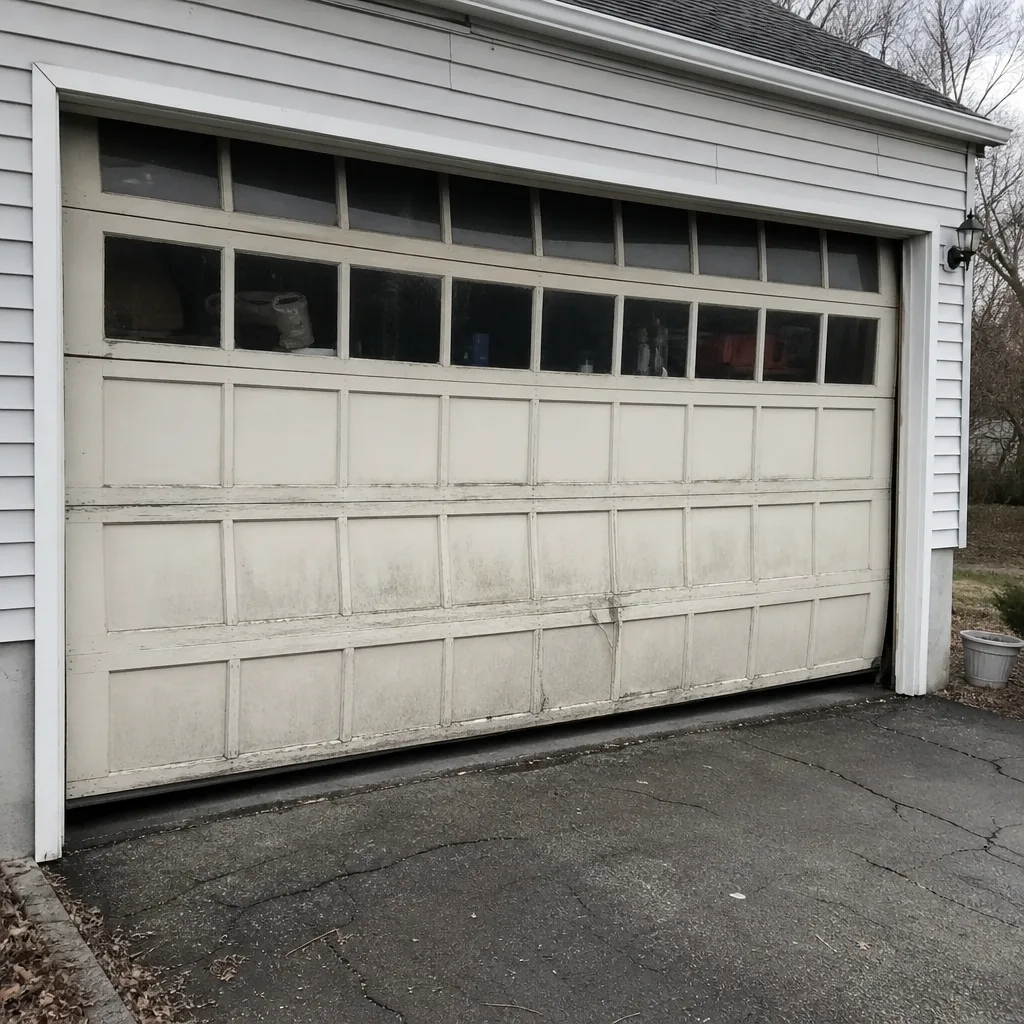 Before
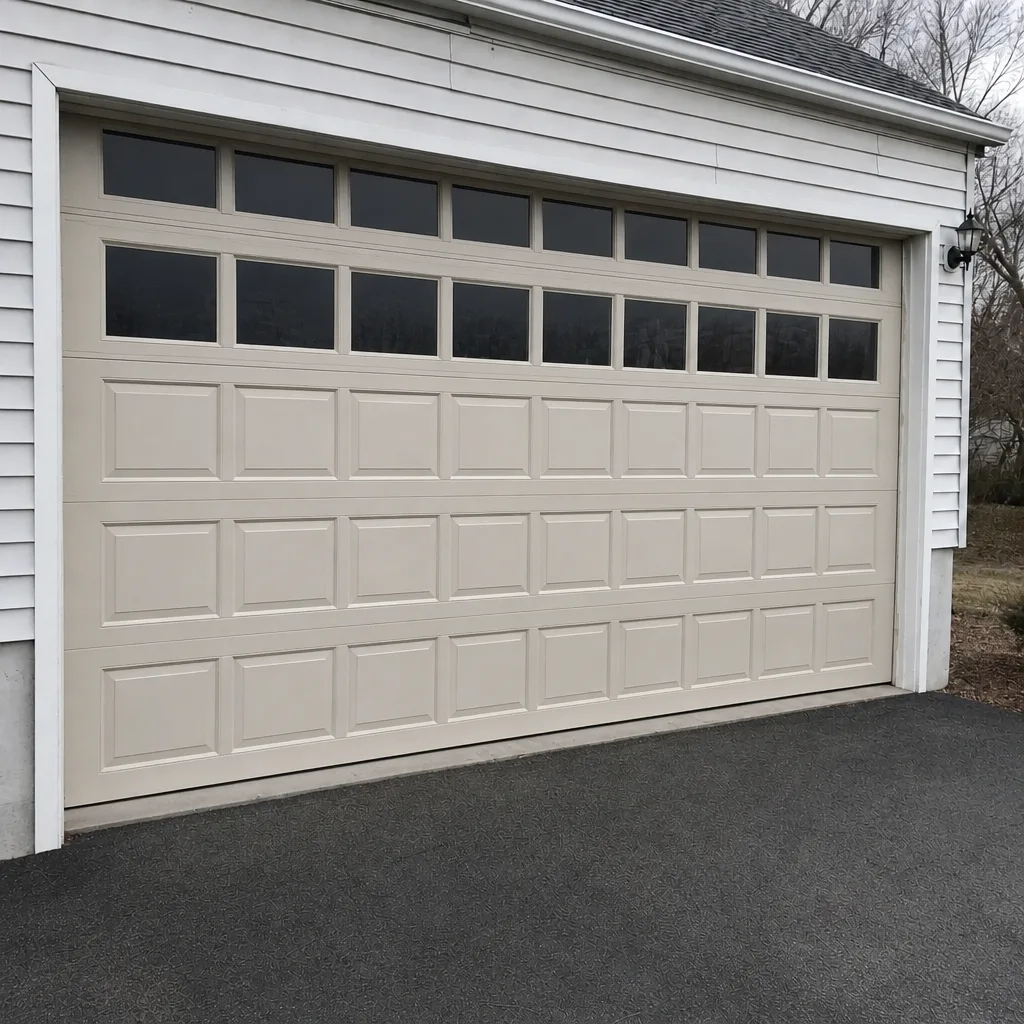 After
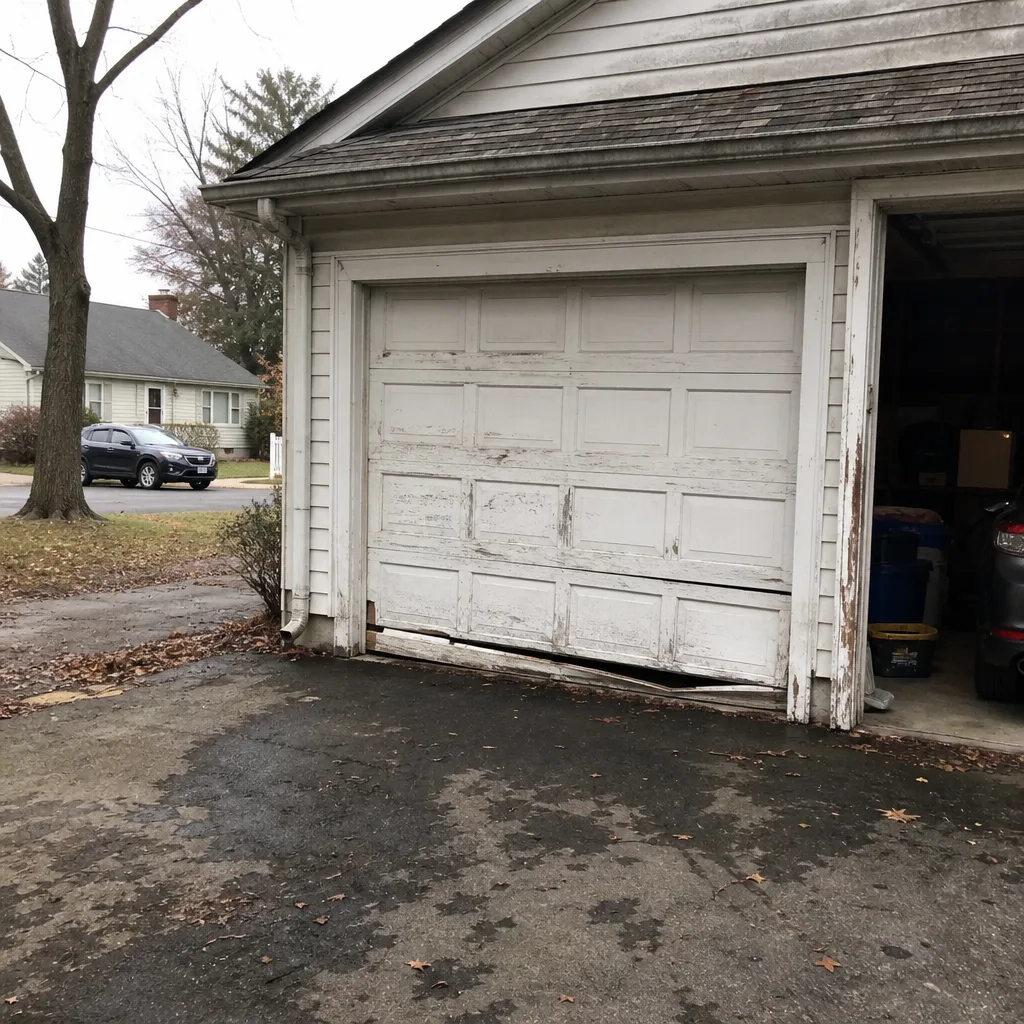 Before
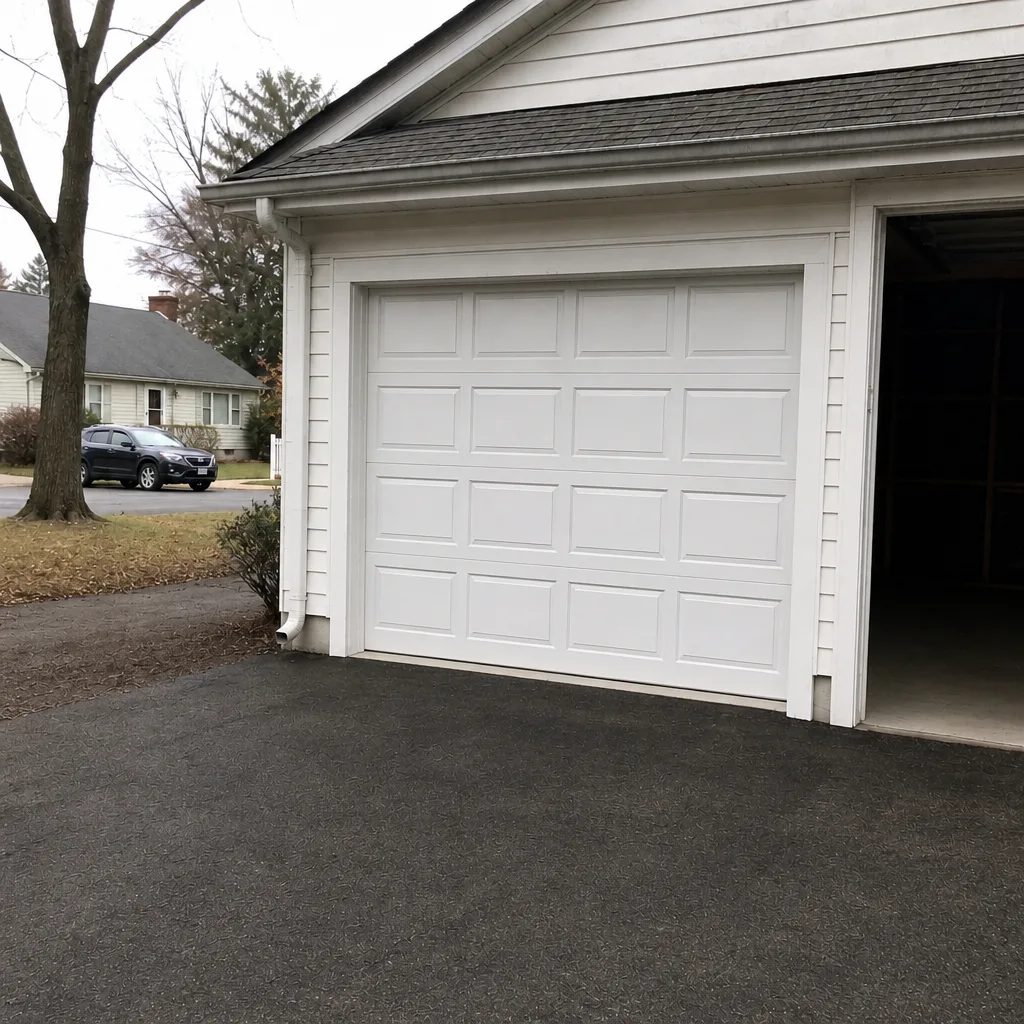 After
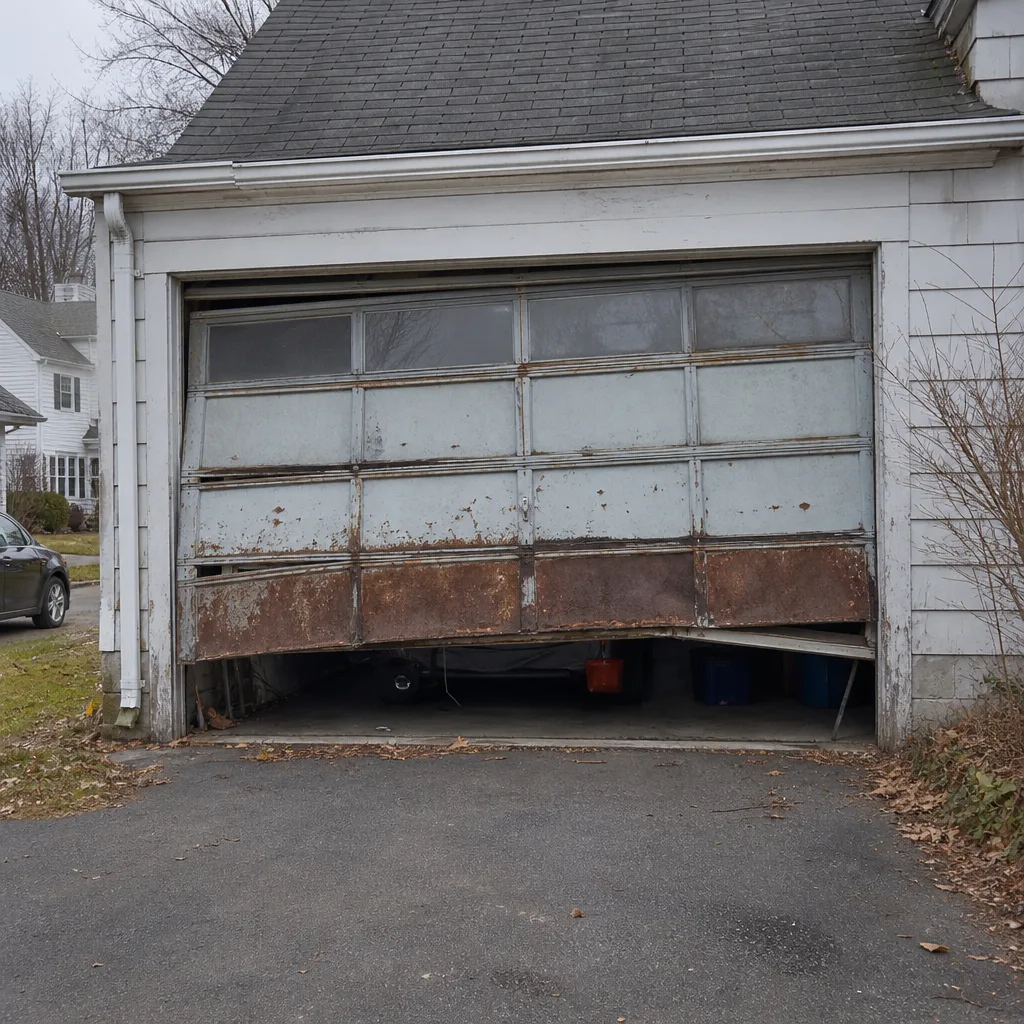 Before
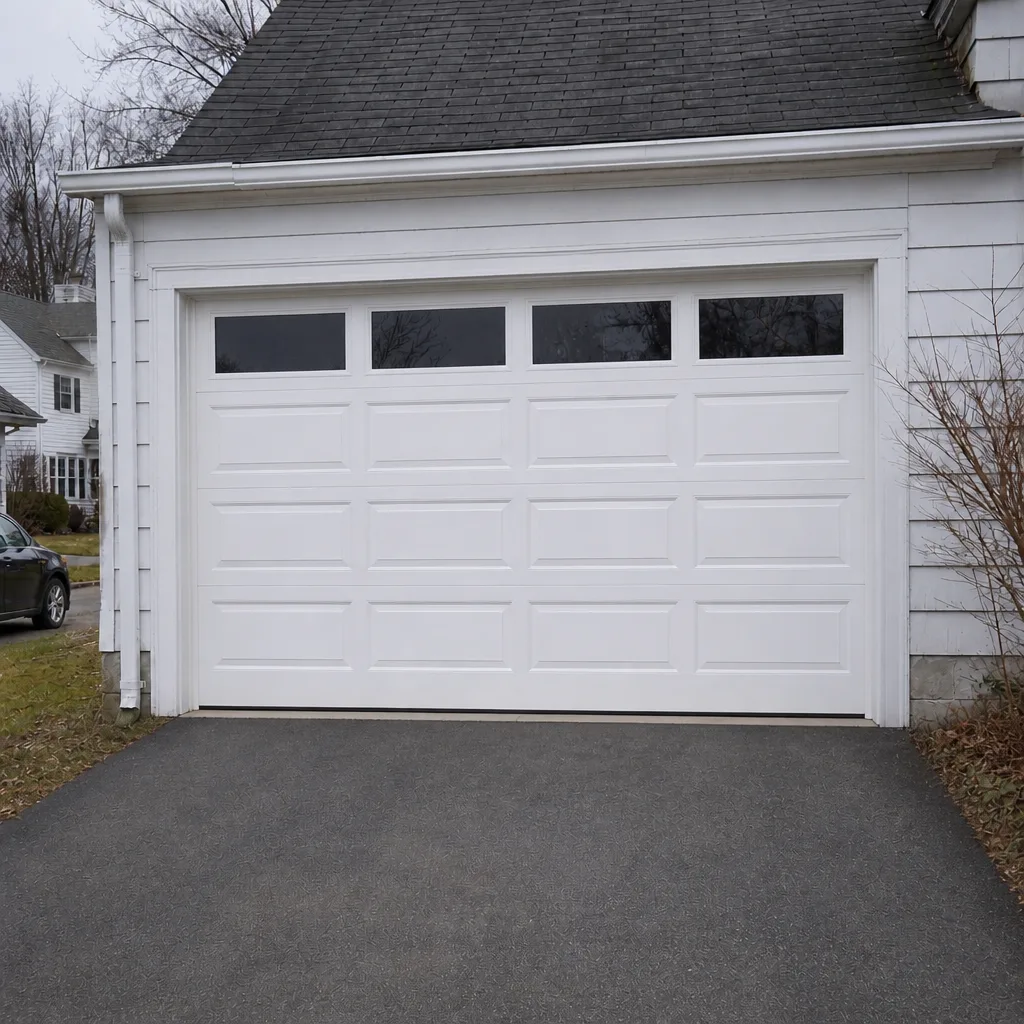 After
Common Mistakes to Avoid
- Buying the brand and not the spec. Two doors with the same logo can be entirely different grades of steel. Ask for the gauge and R-value on the model you’re actually being sold, not the brand’s flagship.
- Skipping the measure. A door that’s a fraction of an inch off won’t fit right and will wear out its hardware early. The measure is free and it’s the foundation of a correct install.
- Insulating the wrong garage. Insulation is worth every dollar in an attached garage, and largely a waste in a detached one used for storage. Match the door to the garage, not to the showroom.
- Letting the logo decide the opener. A reasonable door paired with an overrated opener wastes money; a good opener paired with an underbuilt door strains the motor. Choose each on its own terms.
- Ignoring the warranty exclusions. Painting a door outside the manufacturer’s guidance can void coverage on a door you haven’t even installed yet. Read the “what’s not covered” section before you buy.
- Skipping the corrosion-resistant hardware. In a damp New England climate, rusted hinges are the first failure. Paying a little more for exterior-rated hardware now saves replacing the moving parts later.
- Taking a dealer’s word that their stock is the best option. A dealer who carries only one brand has only one brand to recommend. One competing quote at the same spec will tell you whether you’re getting a genuine match or a convenience sale.
When to Call a Professional
A garage door is a heavy moving structure under real tension, and the springs and cables are the most dangerous parts of the system. If a spring has snapped, the door won’t stay up, the opener strains, a cable is frayed or the door comes down crooked, that’s not a DIY fix; it’s a job for a trained technician. The same is true for anything involving the opener’s electrical wiring. Call before the door fails completely if you can. Milford Garage Door Repair Co offers free estimates in Milford and can assess whether your current door is worth repairing or should be replaced. Our technicians have up to 8 years of experience, and spring replacement is treated as the dedicated safety job it is, not lumped into general repair. If the door is stuck open or shut, we answer 24/7 with fast dispatch from 7am to 7pm, Sunday through Friday.
Frequently Asked Questions
There isn’t one best brand; the best door for your Milford home is the one with the thickest steel, best insulation and most corrosion-resistant hardware you can afford. Clopay, Amarr, Wayne Dalton and Raynor all build doors that perform well here when specified correctly. Compare gauge and R-value before you compare logos, and call (866) 937-7098 if you want a free second opinion.
No. The door and opener are separate products that don’t need matching brands. The only real compatibility to check is whether the opener is rated to lift your door’s weight. Mixing brands is normal and often cheaper. Call (866) 937-7098 for an exact quote on a door, an opener, or both.
Yes, if your garage is attached to your living space. Insulation in a shared-wall garage keeps the room above and beside it more stable through Connecticut summers and winters. For a detached garage used for storage, a non-insulated door is usually fine and costs less. Call (866) 937-7098 for a free estimate tailored to your garage.
Ask whether they’re recommending that brand because it’s right for your home or because it’s what they stock. A genuine recommendation is backed by specs and questions about your garage; a sales recommendation points to inventory. Get one competing quote at the same gauge and R-value and compare side by side. Call (866) 937-7098 if you want an unbiased read.
Most door warranties are voided by painting or altering the door outside the manufacturer’s instructions, installing it against spec, and failing to maintain it. Damage from impact and exposure to certain chemicals is often excluded too. Ask for the full warranty document, not a summary, and confirm who handles claims in writing. Call (866) 937-7098 for questions before you buy.
We work with the eight brands we’re factory-familiar with, which include LiftMaster, Chamberlain, Genie, Clopay, Amarr, Wayne Dalton, Craftsman and Raynor. If you’re considering another brand, call and we’ll tell you honestly whether it’s one we can install and service well. The written estimate sets the final price before any work begins. Call (866) 937-7098 for a free estimate.
The Bottom Line
Brand selection is the last decision in buying a garage door, not the first. Steel gauge, insulation R-value and hardware grade are what determine how long a door lasts in Milford’s damp, freeze-thaw climate. Clopay, Wayne Dalton, Amarr and Raynor all build good doors at the right spec, and each has an entry line that isn’t worth the logo. Read the warranty, particularly what voids it and who handles a claim, before you pay. Ask your dealer whether the recommendation is right for your home or simply what they stock. Fix the spec first, then let price and availability settle the brand. If you’re unsure what’s in your garage now or want an honest comparison, call us.
Get a written estimate before anything gets ordered. Milford Garage Door Repair Co offers free estimates in Milford, and we work on the brands you already have as well as the ones you’re considering. Call (866) 937-7098. We answer 24/7. Fast dispatch from 7am to 7pm, Sunday through Friday. The price is quoted and agreed before any work starts, and the written estimate is the price.
Written by the team at Milford Garage Door Repair Co.