
Last updated November 20, 2026
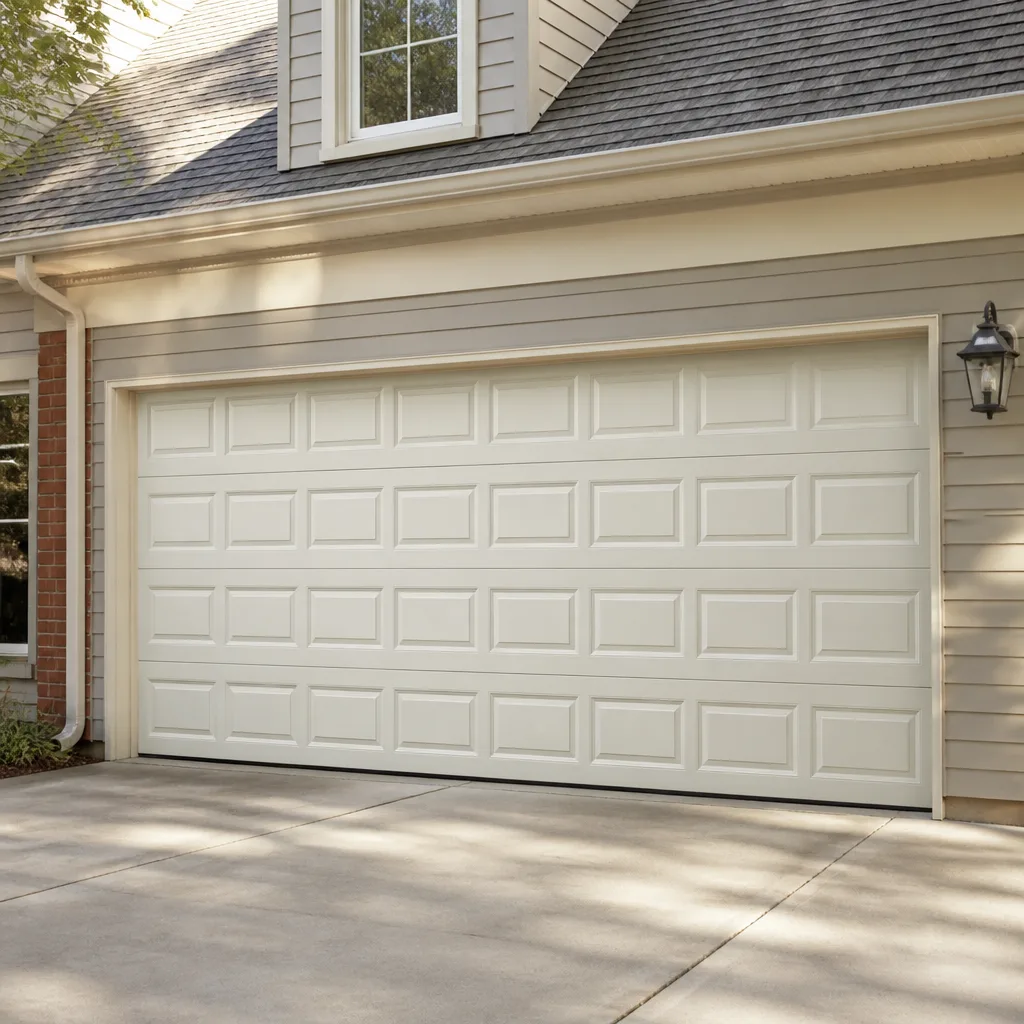 Raised-panel steel
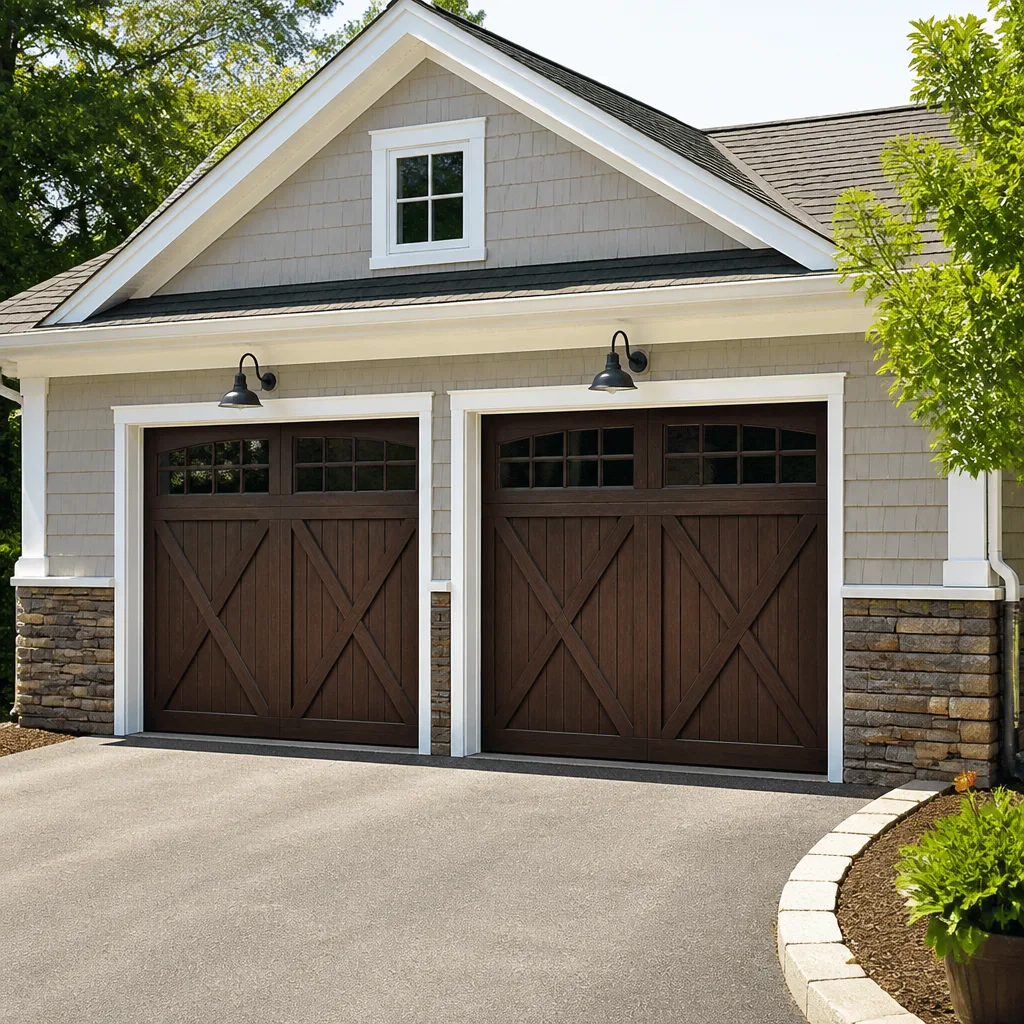 Carriage house
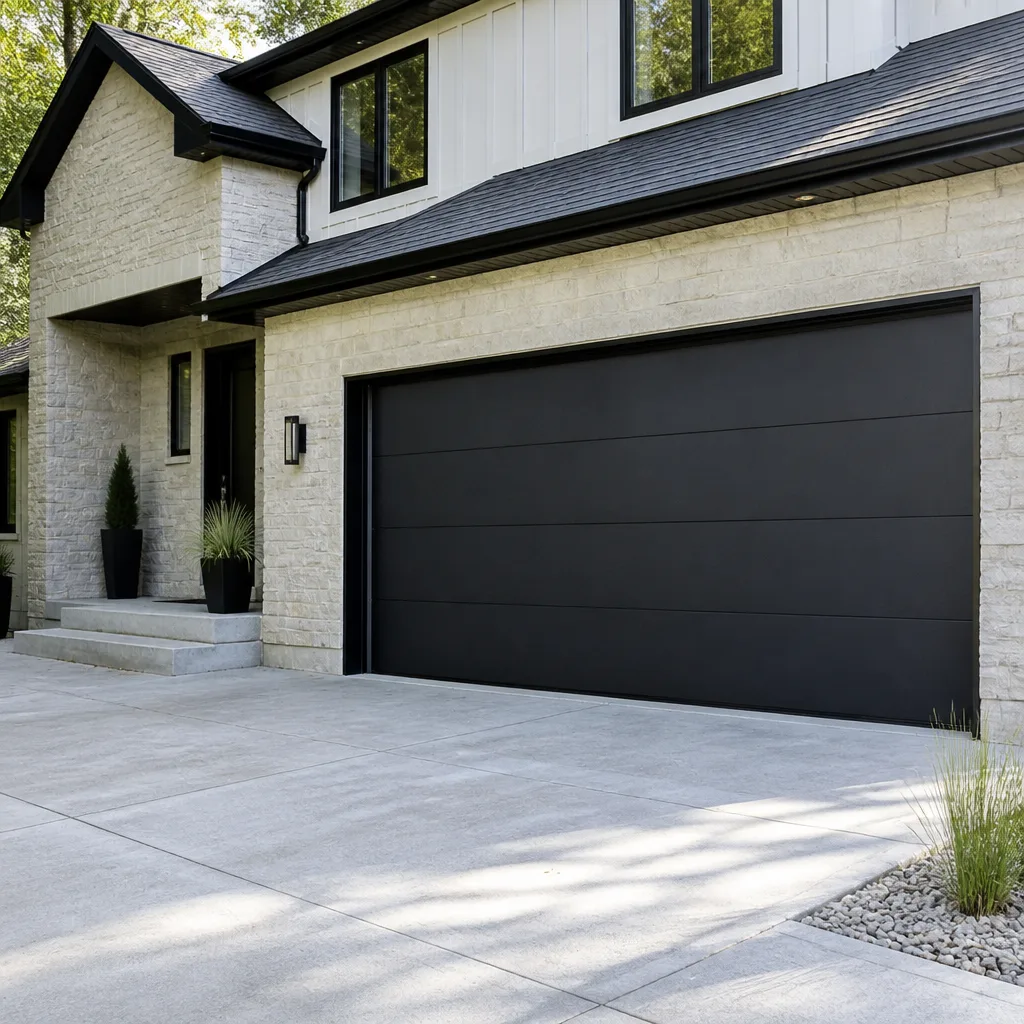 Modern flush
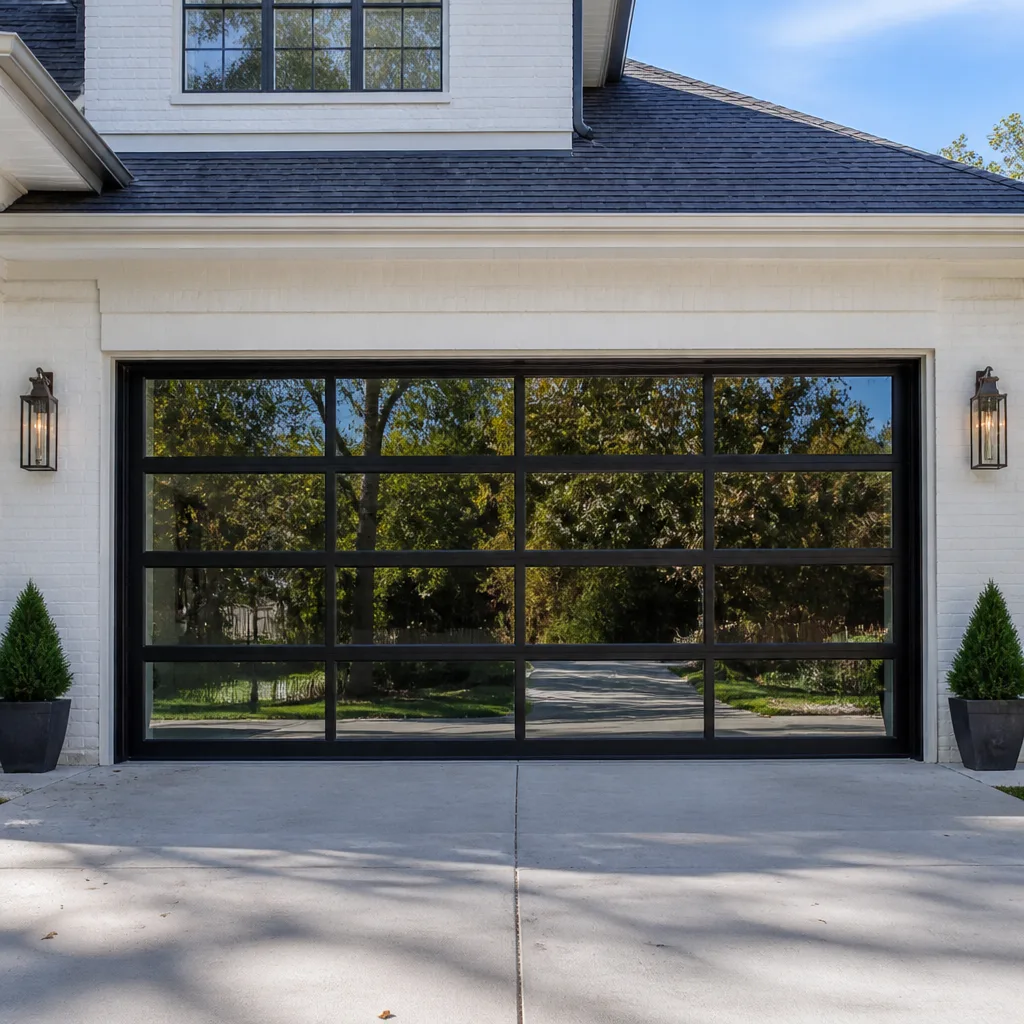 Full-view glass
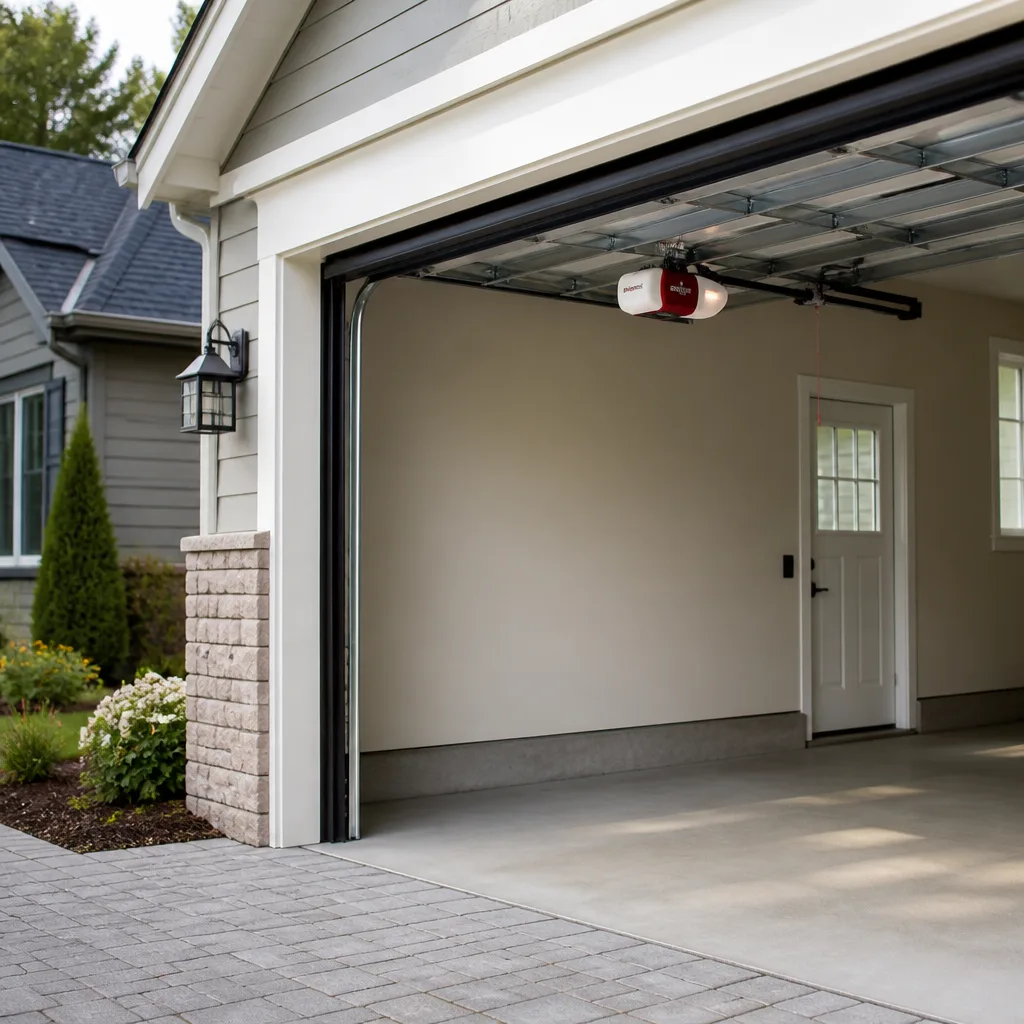 LiftMaster openers
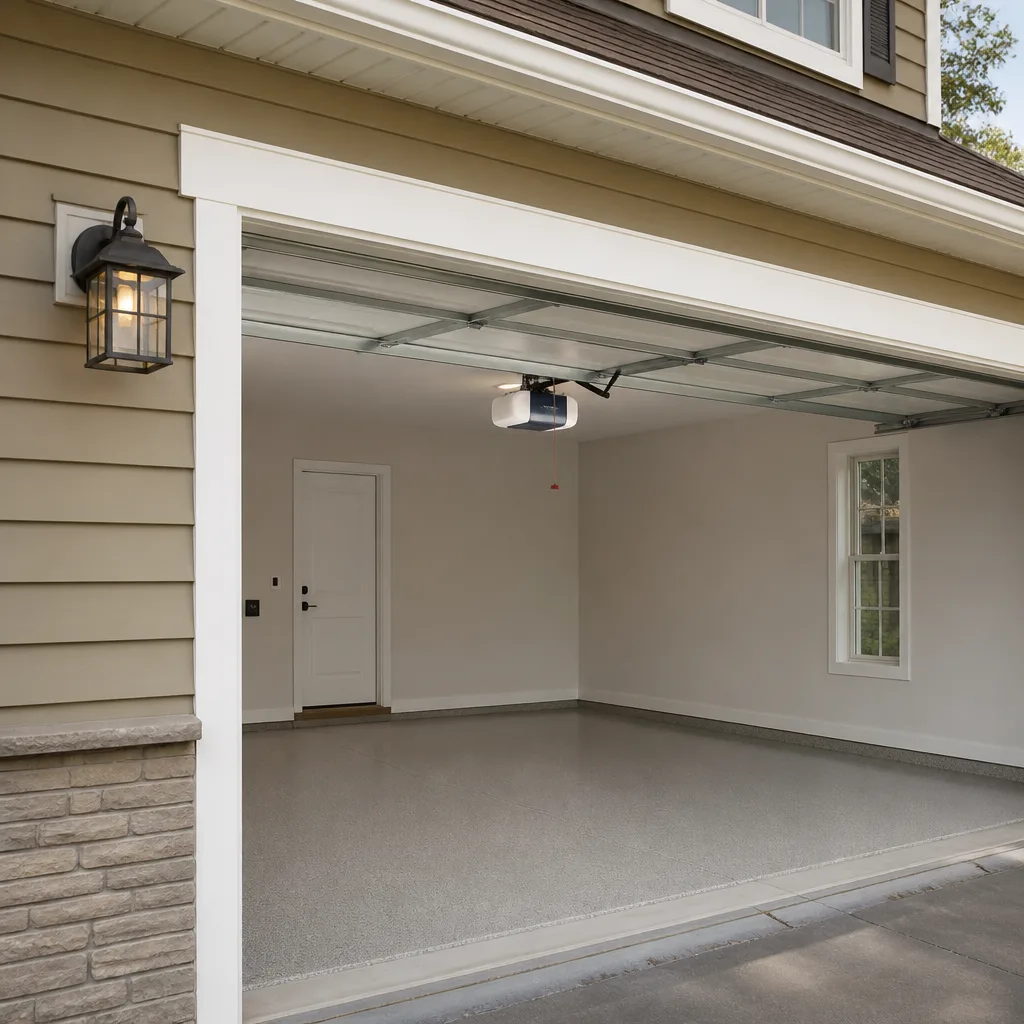 Chamberlain openers
Full 25-point door and opener safety check with every visit - springs, cables, rollers, tracks, and your LiftMaster or Chamberlain opener included
You get a price before we start. It does not change when the pro arrives.
Get your free estimateGarage Door Emergency Preparedness Guide for Milford Homes
Milford homeowners know hurricane prep. They track the cone, they fill the bathtub, they know where the flashlights are. But almost nobody plans for the moment the garage door itself becomes the emergency. A broken torsion spring can trap your car inside on the morning you need to evacuate. A power outage can leave a door that won’t lock sitting wide open all night. And in our experience, the calls that come in after a nor’easter passes are usually from homeowners who never learned how to disengage the opener before the power went out. This guide covers the scenarios most Milford households have never rehearsed: manual release by brand, securing a door that won’t close, storm prep, and the first ten minutes of a spring failure.
Quick Answer
A garage door emergency in Milford usually means one of four things: a broken spring, a dead opener or power outage, a door that won’t close or lock, or storm damage. The safest first move in every case is to stop forcing the door. Never lift a door with a broken spring by hand, and if the opener won’t run, use the manual release cord to disengage the carriage before moving the door yourself. Call (866) 937-7098 for a free estimate; we answer 24/7, with fast dispatch from 7am to 7pm, Sunday through Friday.
Styles & brands we work with
- Raised-panel steel
- Carriage house
- Modern flush
- Full-view glass
- LiftMaster openers
- Chamberlain openers
Table of Contents
- The First Ten Minutes of a Spring Failure
- How to Do the Manual Release by Brand
- Securing a Garage Door That Won’t Close
- Storm Prep: Wind Ratings and When to Manually Lock
- What to Do During a Power Outage
- Building a Garage Emergency Kit
- Nearby Towns We Work In
- Common Mistakes to Avoid
The First Ten Minutes of a Spring Failure
The first ten minutes after a spring lets go are the most important. The sound is distinct: a loud bang followed by the door slamming down or hanging loose on one side. That noise is the sound of stored mechanical energy releasing at once, and whatever you feel in that moment, the correct response is to slow down and leave the door alone.
Here’s what to do, and in what order:
- Keep everyone clear. Move kids and pets away from the door. A door hanging on one cable can shift without warning.
- Do not try to lift the door by hand. This is the biggest and most dangerous mistake we see. A door with a broken spring weighs far more than the opener or a person can safely manage, and lifting it can snap a cable or drop the door entirely.
- Disconnect the opener only if the door is fully closed and stable. Pull the manual release cord and leave the door down.
- Look, don’t touch. Check whether the door is crooked, whether a cable hangs loose, or whether the door is fully shut. Note it for the technician.
- Call for spring service. Spring replacement is a safety job, not a DIY repair. The torsion springs on most Milford doors carry enormous tension even when the door is down.
Spring work is the single highest-risk element in any garage door system. That’s why we treat garage door spring repair as a dedicated service rather than lumping it into general repair calls. The technicians who handle it work on the tension components specifically, with the tools designed for them. Our technicians have up to 8 years of experience, and every spring call gets the same focused approach: diagnose which spring failed, check the cables for damage, and quote the fix in writing before anything gets touched.
If the spring failure happens during a storm and your car is trapped, that’s an emergency call. We answer 24/7. A call outside dispatch hours is booked into the next opening, Sunday through Friday, 7am to 7pm.
How to Do the Manual Release by Brand
Every automatic opener has a manual release, and every one of them works a little differently. In our experience, this is where most homeowners get stuck after a storm, especially when the power has been out for a few hours and panic sets in. The release is simple once you know where yours is and which direction it travels.
The universal rule: find the release cord, pull it firmly toward the door (not down), then try the door by hand. If it moves, you’re disengaged. If it doesn’t, don’t force it. On most residential openers, the cord hangs from the trolley or carriage near the door’s top center.
LiftMaster and Chamberlain
LiftMaster and Chamberlain share most of their design language, and their manual release is essentially identical. Look for a red or black cord hanging from the trolley. A firm pull toward the door disengages the carriage from the trolley. On newer smart units with a lock feature, the door may also be mechanically locked against the track, so disengage the lock first if your model has one. That’s one of the reasons we know these brands well: we work on your brand every week.
Genie
Genie openers often use a slightly different trolley design, and the release cord may be shorter. Some models require you to pull down and then slightly toward the door. Newer Genie units sometimes have a lock indicator light. If the opener thinks it’s locked, it won’t accept a remote command even after power returns, which is another thing to check.
Craftsman and Raynor
Craftsman openers, many of them older chain-drive units, typically use the standard pull-toward-door release. Raynor commercial-style residential units sometimes include a separate lock or latch on the door itself that you’ll want to check before you start pulling cords. We see plenty of both across Milford, and the troubleshooting steps are similar: check the lock, find the cord, pull toward the door, test by hand.
If you can’t find the cord or the door won’t move once you’re sure the trolley is disengaged, that’s a call for garage door opener repair. Older units can seize, and a seized trolley under tension needs proper service, not a bigger tug.
Securing a Garage Door That Won’t Close
A door that won’t close is a security problem. Whether it’s after a break-in attempt, a bent track, or a mechanical failure, you need it secured before nightfall. Here’s how to handle it in the right order.
- Check the tracks first. Look for anything visibly bent or blocked. Small debris, a hit garage door panel, or a bent roller can stop the door from travelling. Don’t force the door past an obstruction.
- Check the safety sensors. The two small sensors near the floor at the door opening are the most common reason a door goes partway down and reverses. Wipe them clean, confirm they’re aligned, and check that nothing is in the beam’s path.
- Disengage and close manually. Pull the release cord and close the door by hand. If it closes smoothly by hand but not with the opener, the issue is in the opener, not the door.
- Lock the door manually once it’s down. If your door has manual locking bars or a slide bolt, set them. If it doesn’t, a pair of locking pliers on the track is not a substitute for a repair, but it will keep the door from opening overnight until we can see it.
- Call for repair. A door that won’t close is usually fixable the same day if it’s a safety sensor or an opener circuit, and it’s a straightforward call for garage door repair.
If the door was breached and you’re dealing with a damaged panel or a bent track, don’t try to bend the track back yourself. A misaligned track will wreck the rollers and the hinges before it fixes anything. We can come out, quote the repair in writing, and set the price before any work starts.
Storm Prep: Wind Ratings and When to Manually Lock
Milford gets hit hard by nor’easters, and the garage door is one of the broadest openings on most houses. A door that’s rated for wind load is important, but the rating isn’t enough on its own. Doors also need to be reinforced, locked, and in good repair before the storm arrives.
Wind ratings on residential doors tell you what the door can withstand under test conditions. Two things they don’t cover: a door with a broken spring or a bent panel that’s already out of alignment, and a door that’s been left unlatched during a wind event. A door that fails in a storm can let pressure into the house and cause serious damage through the opening.
What to do before a named storm
- Manually lock the door if it has locking bars. Many older doors and commercial-style residential doors have them. Set them before the wind arrives.
- Check the panels and hinges for damage. A door in good repair resists wind far better than one with a bent panel or a loose hinge.
- Test the opener’s release before the storm. Find the cord, know which way it pulls, and make sure the door moves by hand after you pull it. This is the single most valuable five minutes of prep you can do.
- Clear the tracks and the floor. Loose debris becomes a projectile under wind load.
- Charge the remote and check the batteries. A remote that dies during a power outage leaves you locked out of a door that may or may not still move.
If you’re not sure your door’s current state can handle a named storm, schedule a check before it lands. There’s no same-day promise on storm prep visits, but the free estimate and written price make it easy to decide. Just call (866) 937-7098. We answer 24/7.
What to Do During a Power Outage
A power outage is the most common garage door emergency we field, and it’s rarely the opener’s fault. The opener can’t lift the door without power, and if the door’s springs or cables are in bad shape, the manual release may not do what you expect either. Here’s the playbook.
- Don’t try the remote or wall button repeatedly. If the opener is genuinely without power, this does nothing except drain batteries. Check the breaker first if the outage seems local.
- Find the manual release cord. It hangs from the trolley at the top center of the door. If it’s missing, this is the exact moment you’ll wish you’d marked it. See the emergency kit section below.
- Pull the release toward the door. That’s the standard direction for LiftMaster, Chamberlain, Chamberlain-manufactured Craftsman units, and most Genie models.
- Open the door by hand slowly. Lift it a foot, let go, and check whether it stays. A balanced door should hold at most heights. If it slams down or won’t lift, the springs or cables are failing and you should not force it.
- If the door won’t lift by hand, treat it as a mechanical failure. Call for repair. We answer 24/7. A call outside dispatch hours is booked into the next opening, Sunday through Friday, 7am to 7pm.
When the power comes back, test the opener with the door closed. If the opener doesn’t respond, the issue may be the safety sensor alignment, a dead remote battery, or a circuit that needs diagnosis. The smart-home-integrated side of opener repair is a real specialty, and it’s why we don’t recommend replacing a unit that only needs a repair visit.
Building a Garage Emergency Kit
A small, cheap kit stored right in the garage saves a lot of scrambling when something fails. Here’s what we recommend every Milford household keep on hand.
- Spare remote batteries in the right size. Check your remote’s battery compartment once and note the size. Buying the wrong size in a panic is the most common mistake we hear about.
- White lithium grease or a garage-door-specific lubricant. A quick pass on the hinges, rollers, and springs (never inside the track itself) keeps everything moving and reduces the odds of a seize-up in the first place.
- A flashlight and a pair of work gloves. Both useful for checking tracks and sensors after dark.
- A piece of bright tape. Tape a small strip on the manual release cord so it’s visible the moment you need it. This is a five-second job that pays off during every outage.
- A note with the door’s brand and model. Write down the brand (LiftMaster, Chamberlain, Genie, Clopay, Amarr, Wayne Dalton, Craftsman, or Raynor) and the model number from the opener’s label. That one scrap of paper makes it easy to source the correct part the first time.
- The number for a garage door company you can reach. Not every homeowner keeps one, and it’s exactly the kind of thing you don’t want to be searching Google for at midnight.
- A pair of locking pliers for emergencies. Not a permanent fix, but enough to keep a door from opening until service arrives.
We work on all eight of the major door brands, so when you call, the technician already knows the typical failure points on your equipment. That’s a meaningful advantage during an emergency, because it means fewer return visits and a correct part the first time.
Nearby Towns We Work In
Milford sits on the shoreline of Long Island Sound, and the towns around it get hit by the same storms. If you’re just outside the Milford line, we also service homes throughout the surrounding area, and the same dispatch and estimate process applies. Here are a few we work in regularly.
- Orange and Woodbridge – inland, wooded, and prone to tree damage that takes out openers and doors.
- West Haven and Stratford – coastal neighbors with the same wind exposure and older homes.
- Shelton and Trumbull – north of Milford, with newer doors and a mix of smart opener brands.
Read more on our main service page for Milford Garage Door Repair Co, or call for a quote on a specific door or opener.
Common Mistakes to Avoid
- Lifting a door with a broken spring by hand. Doors with a failed spring weigh hundreds of pounds and can drop without warning. Call for spring service instead of trying to lift it.
- Forcing a door past a bent track or blocked roller. This turns a track repair into a track replacement, a roller replacement, and often a new panel. Stop the moment the door resists.
- Ignoring a slow or sluggish opener. A slowing opener is often an early sign of a failing spring or a strained motor. Treat it as a diagnosis request, not a wait-and-see.
- Not knowing where the manual release cord is. During an outage in Milford, the release cord is the first thing you’ll want. Mark it now with tape.
- Assuming the door is fine because it went up smoothly. Springs wear unevenly, and one can fail while the other looks healthy. A matched pair is usually replaced together, and that’s a conversation worth having before the second one goes.
- Using the safety sensors as a punchline. The two sensors at the bottom of the opening are the cause of most “door won’t close” complaints. Wipe them and check alignment before assuming the opener is dead.
- Skipping the written estimate. Ask for the price in writing before work begins. The quote is the price, and a shop that’s comfortable putting it in writing is a shop worth calling.
See the difference
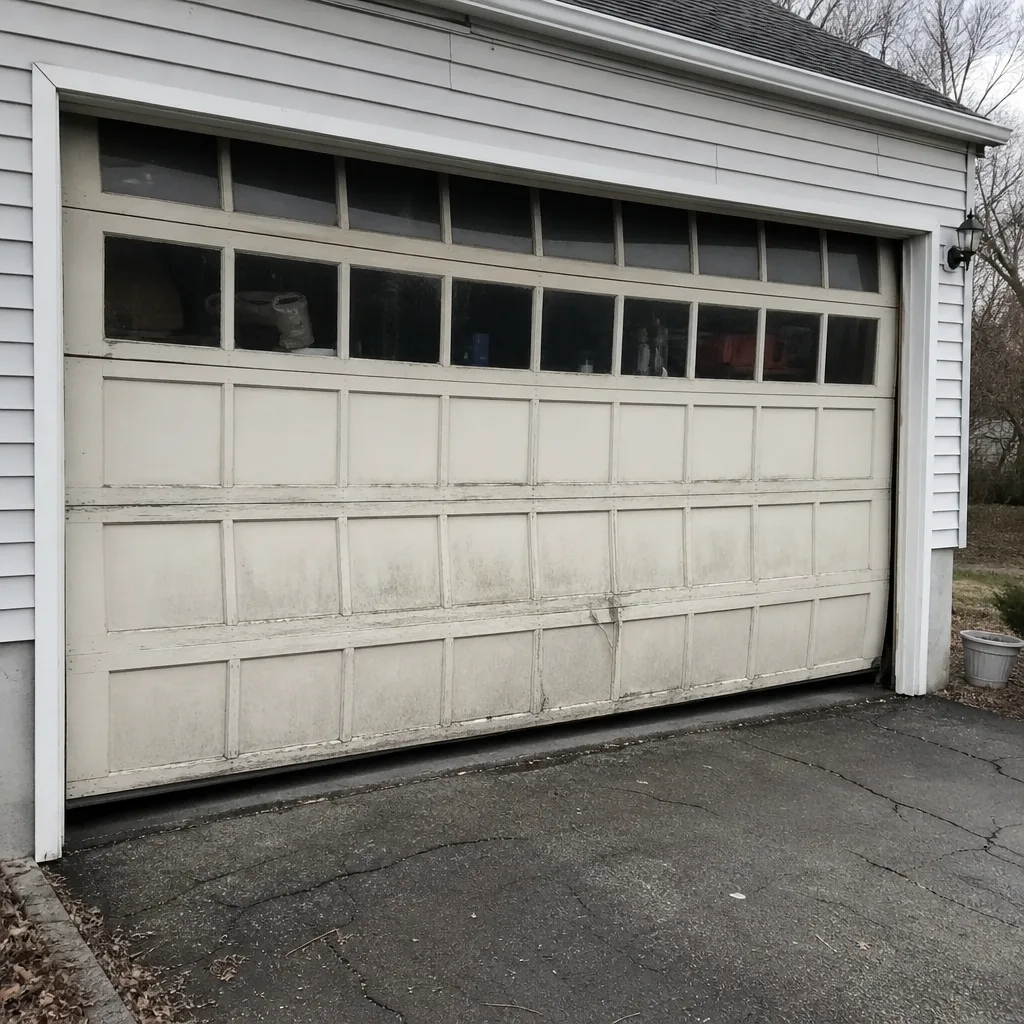 Before
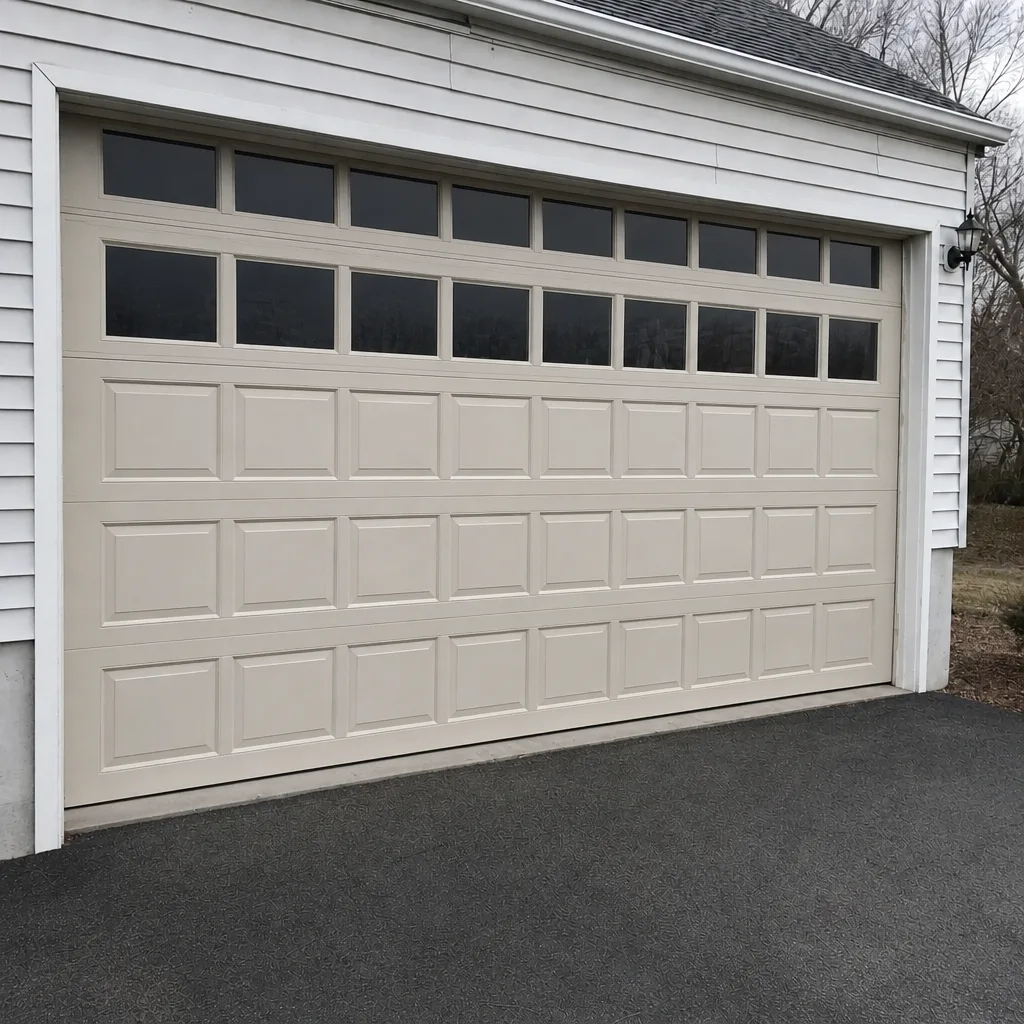 After
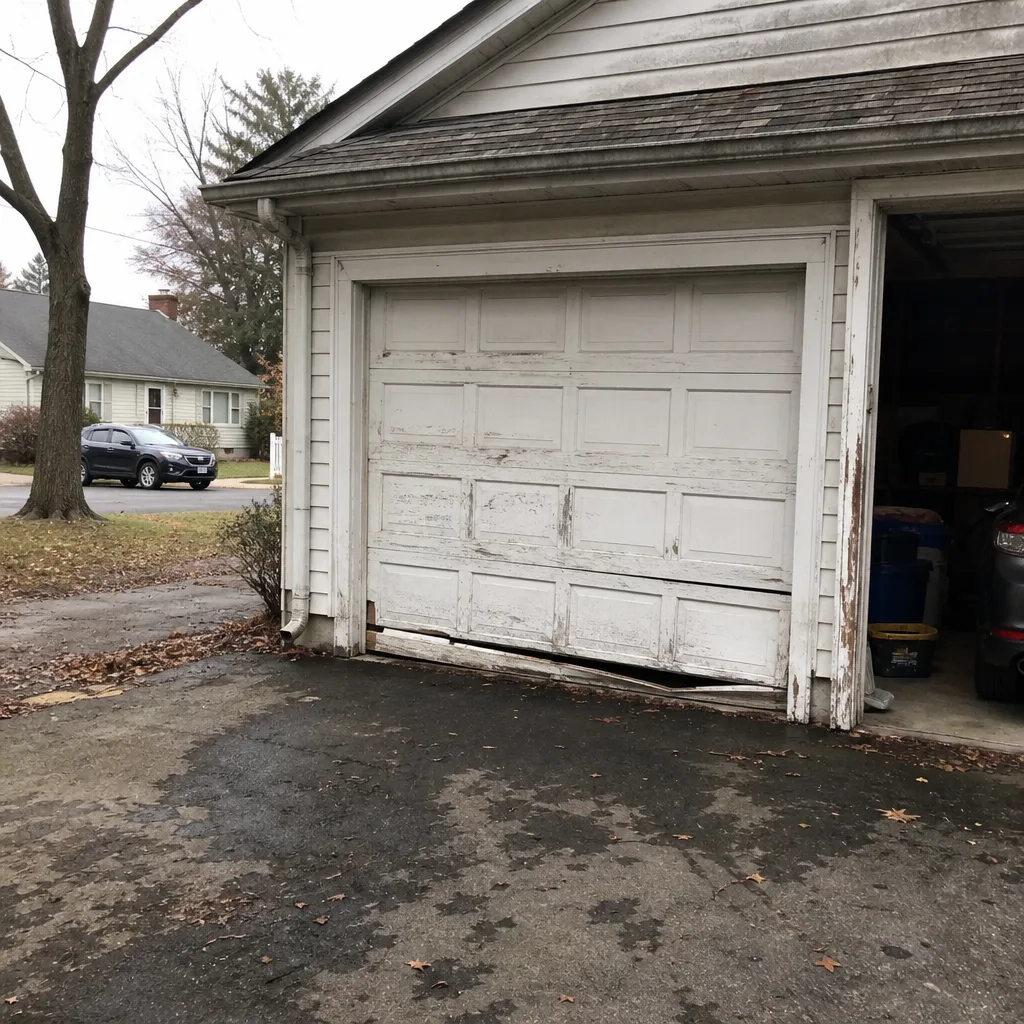 Before
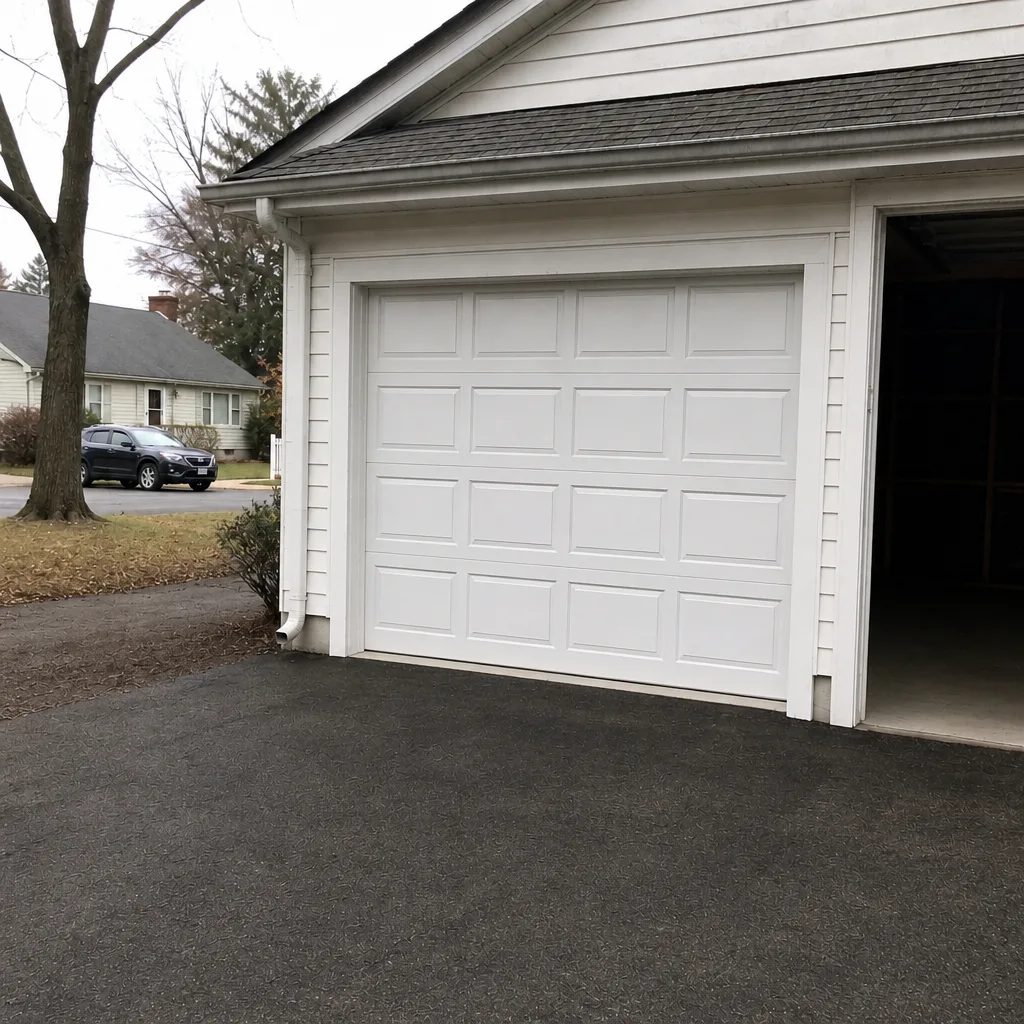 After
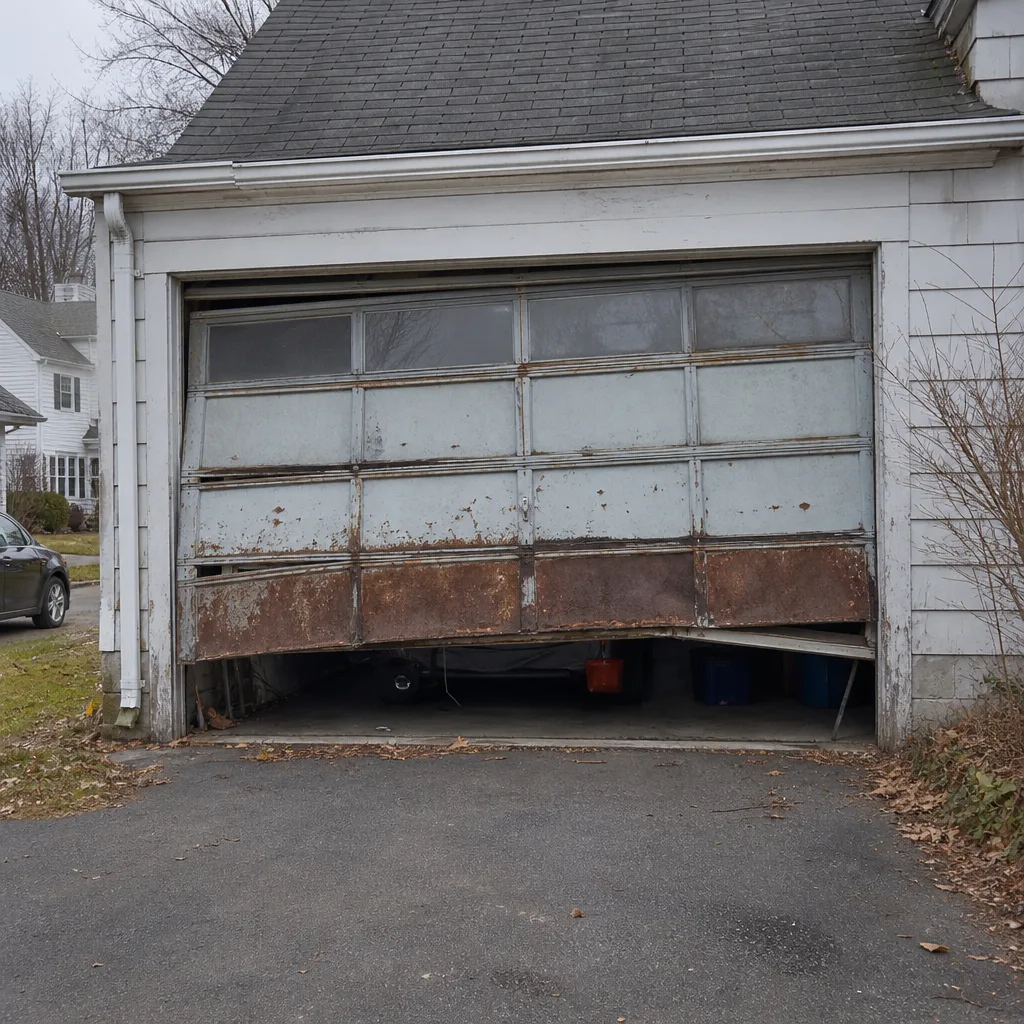 Before
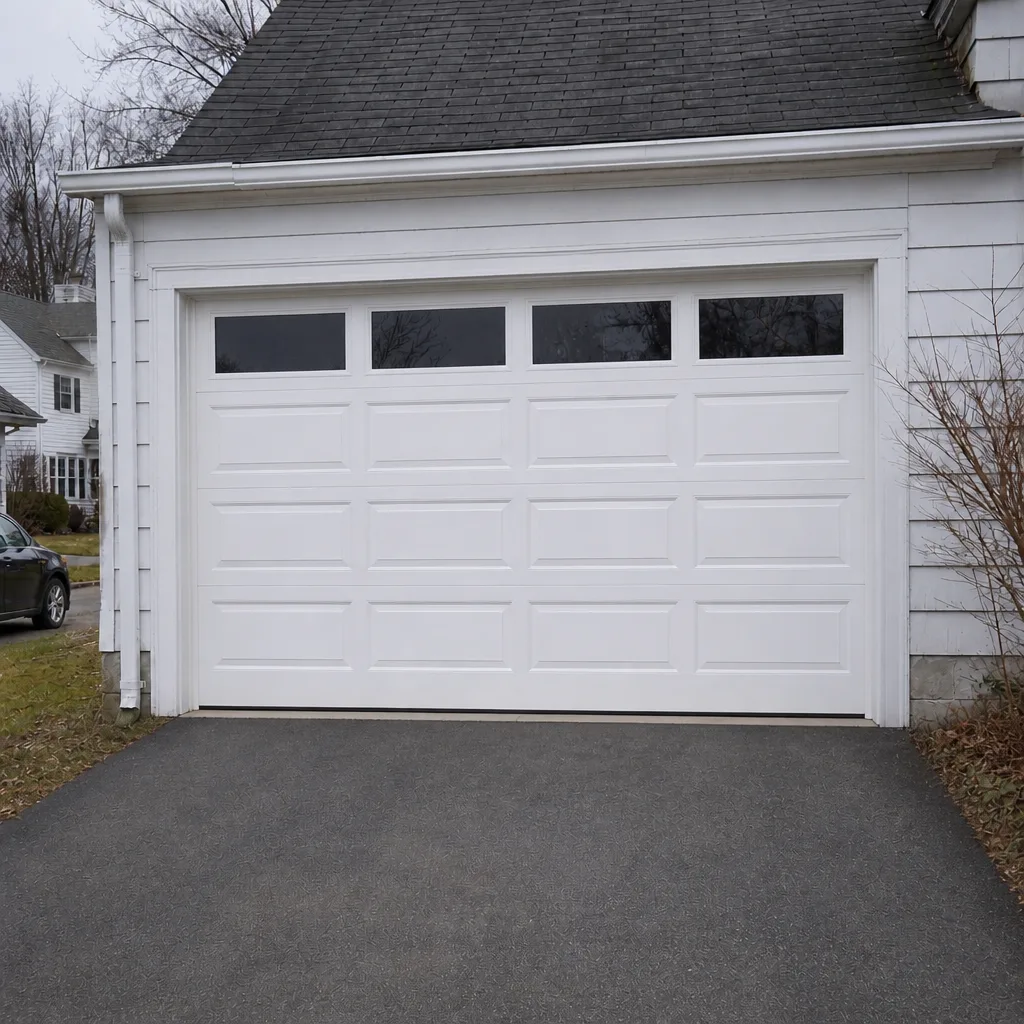 After
When to Call a Professional
Some garage door problems are a phone call, not a project. Call a professional when the spring has failed, when a cable is loose or hanging, when the door is crooked or off its track, when the opener runs but the door doesn’t move, when a panel is bent, or after any break-in or impact damage. These are also the cases where the fix isn’t safe to attempt yourself, and where a wrong repair can make the next one more expensive.
Milford Garage Door Repair Co offers free estimates in Milford, and the written quote sets the price before any work begins. Call (866) 937-7098. We answer 24/7. Fast dispatch from 7am to 7pm, Sunday through Friday. Whether it’s a spring, an opener, or a full new door, one call covers the diagnosis and the fix.
Frequently Asked Questions
Yes, if the springs and cables are in good condition. Pull the manual release cord toward the door to disengage the trolley, then lift the door slowly by hand. If it won’t lift or slams back down, the springs or cables have failed and you should not force it. Call (866) 937-7098 for a spring or opener repair.
Spring repair pricing depends on whether you have one spring or a matched pair, the door’s weight, and the type of spring involved. Because a matched pair is usually replaced together, a pair repair costs more than a single spring repair. We give a written estimate before any work begins, and the estimate is free. Call (866) 937-7098 for a quote and we’ll talk through the options.
Only if you disengage the opener manually and the springs are in good condition. The opener itself cannot run without power, so the manual release is the only path. Once you’ve pulled the release and opened the door by hand, prop it or close it fully before the power returns, and check that the trolley re-engages when the opener runs.
The local pro who connects to your job is licensed and insured as required by the state, and they’re experienced on the major door brands: LiftMaster, Chamberlain, Genie, Clopay, Amarr, Wayne Dalton, Craftsman, and Raynor. Call (866) 937-7098 and we’ll confirm the details before dispatch.
Secure the opening first. If the door won’t close, clear the tracks, check the sensors, and close it manually after disengaging the opener. Set any manual locks you have. Then call for repair, and give the technician the brand and model from the opener label so the right parts come on the first visit. Call (866) 937-7098.
Most spring, cable, and opener repairs take a single visit, and many are done the same day. More involved repairs, like a bent track plus a damaged panel, can take longer, and the technician will give you a written estimate and timeline before work begins. None of the work is billed by the hour, so the estimate is what you’ll pay.
No. Torsion and extension springs carry tension that can cause serious injury when they release, and the tools required for the job are specialized. This is one of the repairs we treat as a safety job and staff accordingly. Call (866) 937-7098 to schedule spring service.
The Bottom Line
Most garage door emergencies happen in the first five minutes of a failure, and what you do in those minutes matters more than anything else. Know where your manual release cord is. Never lift a door with a broken spring. Treat the written estimate as the price. And build a small emergency kit before you need it, because the storm doesn’t ask permission. In Milford, we see the same four emergencies repeatedly: springs, openers, doors that won’t close, and power outages. All four are fixable, and most are fixable the same day. Call (866) 937-7098. We answer 24/7. Fast dispatch from 7am to 7pm, Sunday through Friday. Free estimates, and the written quote sets the price before any work begins.
Written by the team at Milford Garage Door Repair Co.