
Last updated November 20, 2026
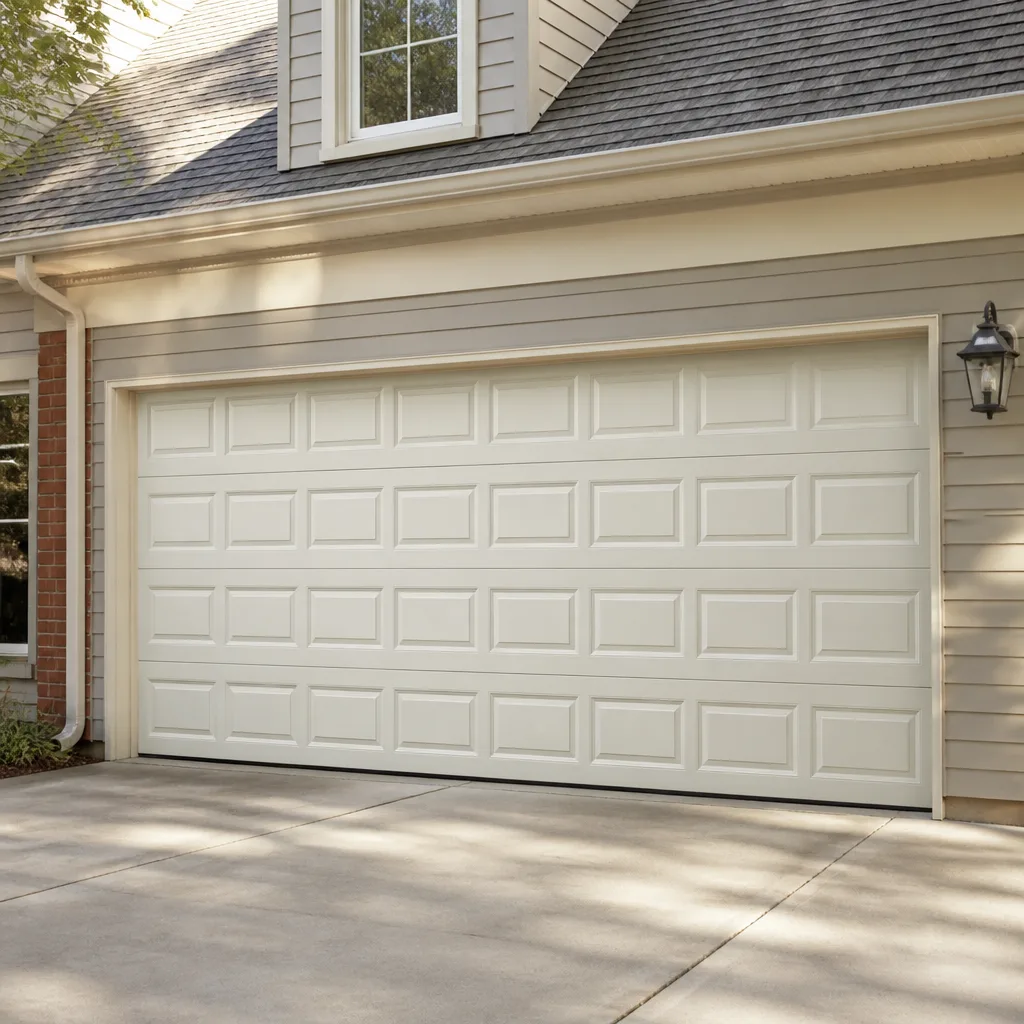 Raised-panel steel
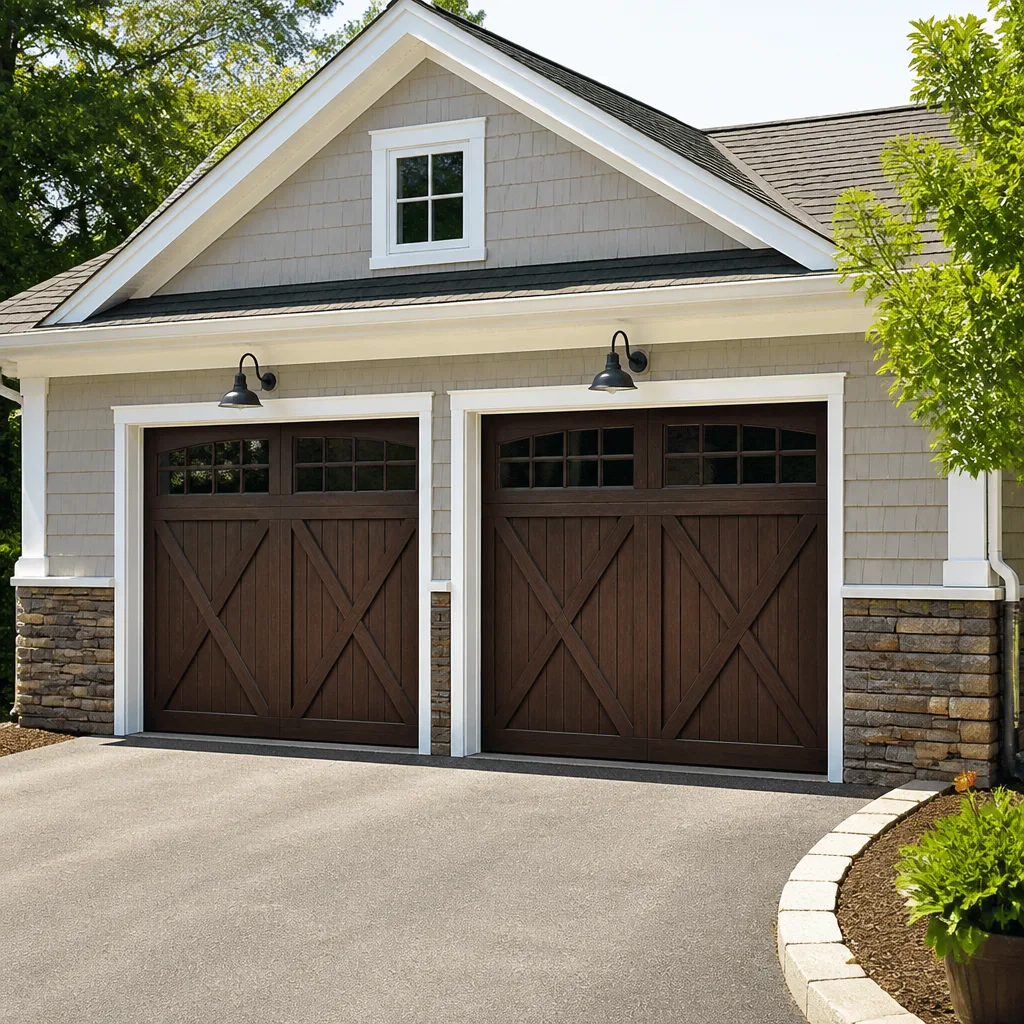 Carriage house
 Modern flush
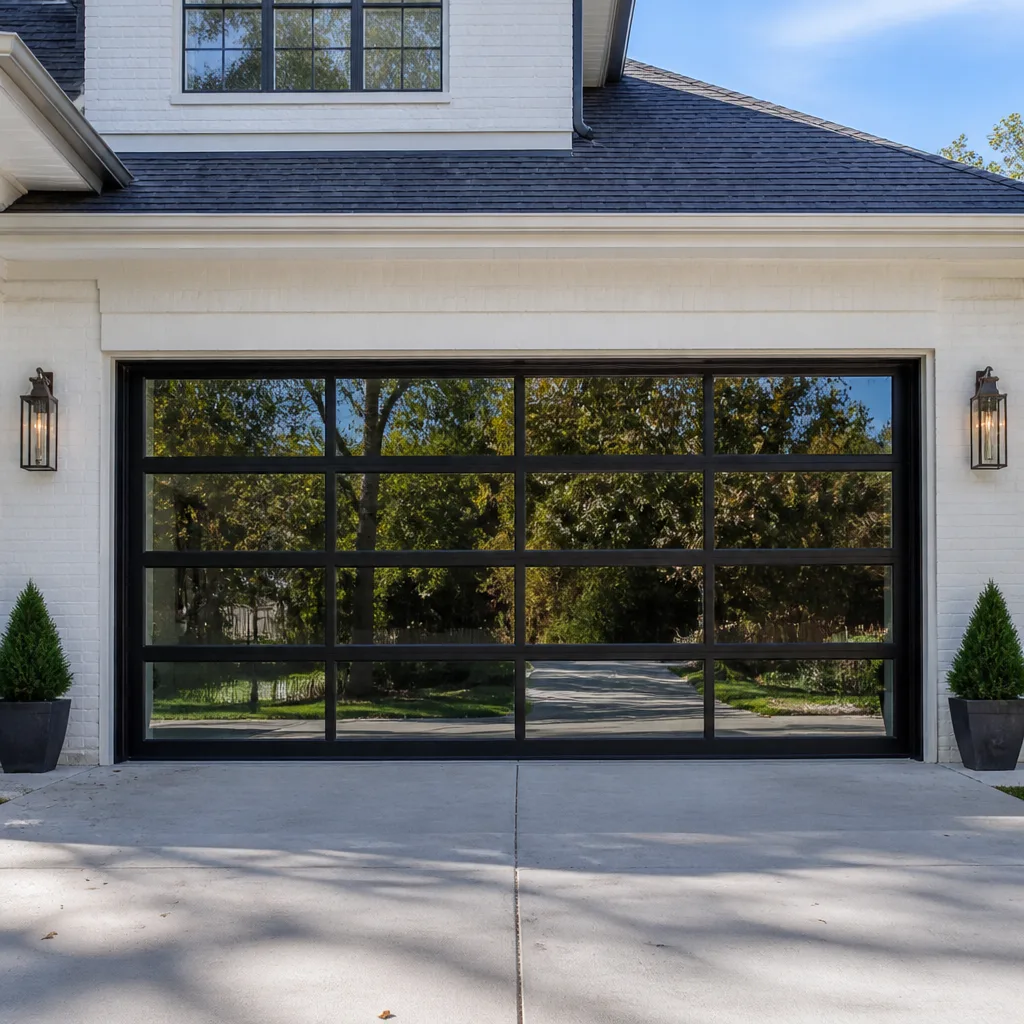 Full-view glass
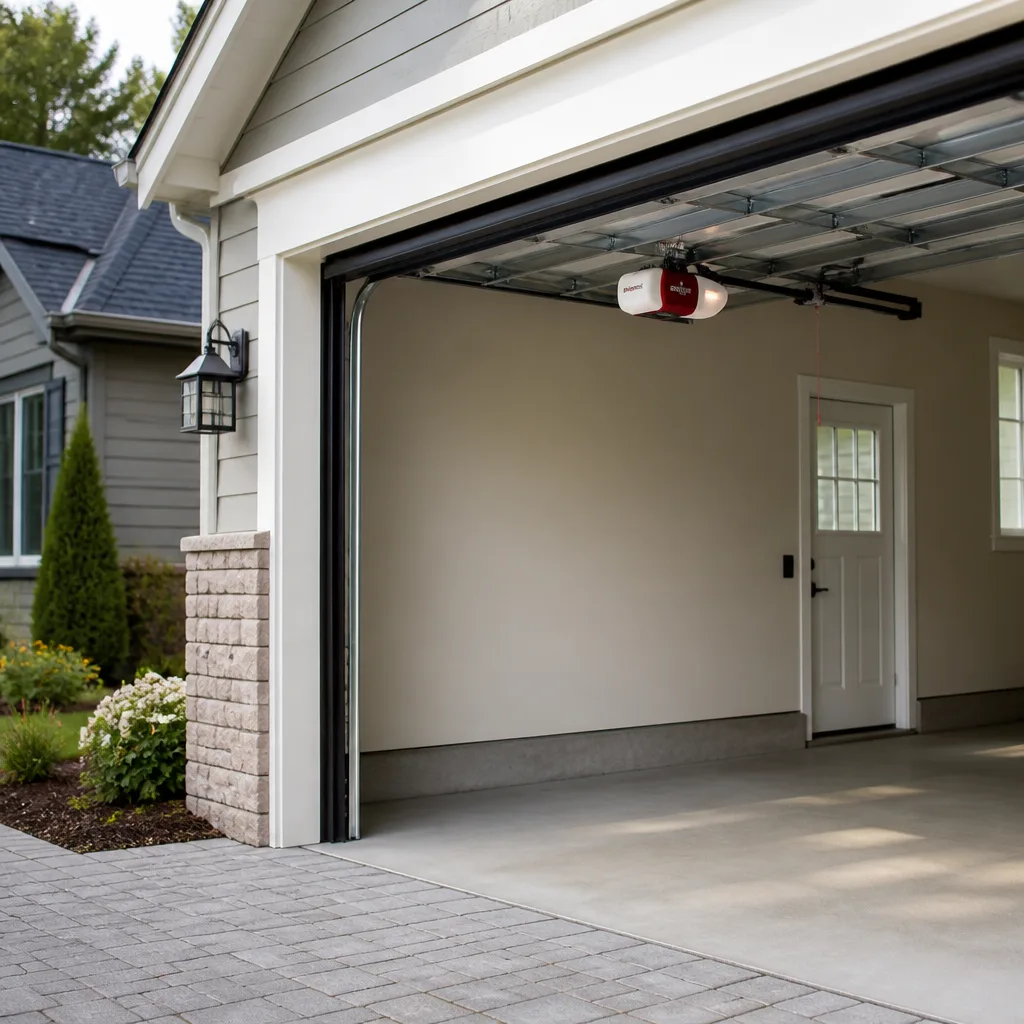 LiftMaster openers
 Chamberlain openers
Full 25-point door and opener safety check with every visit - springs, cables, rollers, tracks, and your LiftMaster or Chamberlain opener included
You get a price before we start. It does not change when the pro arrives.
Get your free estimateGarage Door Warning Signs: A Milford Homeowner’s Reference Guide
A garage door that hesitates for half a second before it moves isn’t being quirky. It’s telling you the springs are losing tension, and depending on how far along that loss is, you may have weeks before one of them snaps under load. Most garage doors fail slowly and announce it first – with a grind, a squeal, a rust streak, a gap at the floor – but nearly every homeowner we talk to in Milford has been listening to those signals for months without knowing what they mean. This guide turns those signals into plain-language diagnostics, so you can describe the problem accurately, judge how urgent it really is, and decide whether to book a repair now or keep an eye on it.
Quick Answer
The most common garage door warning signs are unusual noise (grinding, squealing, popping, thumping), a door that moves slower than it used to, a door that reverses before it closes, visible cable fraying or rust streaks under the hinges, and an opener that runs but doesn’t move the door. Grinding and popping usually point to worn rollers or a failing spring; a door that reverses on its own points to a safety-sensor or travel-limit problem; visible cable damage is a call-today issue, not a watch-and-wait one.
Styles & brands we work with
- Raised-panel steel
- Carriage house
- Modern flush
- Full-view glass
- LiftMaster openers
- Chamberlain openers
Table of Contents
- What the Noise Is Telling You: A Sound Diagnostic
- The Visual Checklist: What to Look At, and What Each Sign Means
- Operational Red Flags: When the Door Behaves Wrong
- Watch It or Call Today? A Priority Triage Guide
- How to Document a Warning Sign Safely Before You Call
- Why Milford Doors Age the Way They Do
- Common Mistakes to Avoid
- When to Call a Professional
What the Noise Is Telling You: A Sound Diagnostic
Sound is the earliest warning system a garage door has, and each type of noise points to a different component. A door that has always been quiet and suddenly isn’t is worth paying attention to, even if it still opens and closes. Here’s how we read the four sounds we hear most often in Milford.
Grinding
Grinding is usually metal-on-metal contact, and it most often comes from worn rollers or a dry, corroded track. If the grind happens as the door starts to move, suspect the rollers first. If it happens throughout the travel, look at the track and the hinges. Grinding rarely means the door is about to fail completely, but it does accelerate wear on every part it touches, so it’s worth addressing sooner rather than later.
Squealing
A high-pitched squeal is usually a lubrication or friction issue – a torsion tube, a hinge, or a roller bearing running dry. Squealing is the least urgent of the four sounds and often the easiest to resolve. It’s also the one most homeowners try to fix themselves with a can of spray lubricant, which is fine on hinges and rollers but never on the torsion springs or cables themselves.
Popping
Popping is the sound we take most seriously. A single loud pop, often followed by the door suddenly feeling lighter or heavier, frequently means a torsion spring has broken. If the door pops and then won’t lift at all, or lifts only a few inches, stop using the door and call. A spring under load is the highest-tension part of the whole system, and it’s the one component we never recommend a homeowner touch. Our garage door spring repair service exists because that job deserves focused expertise, not a general repair visit.
Thumping
A regular thump or thud as the door travels usually points to a loose panel, a worn hinge, or a roller that’s come out of its track bracket. Thumping can also come from an unbalanced door – one side heavier than the other, which puts extra strain on the opener. Left alone, an unbalanced door wears out its opener faster than anything else.
The Visual Checklist: What to Look At, and What Each Sign Means
You can catch most serious garage door problems with your eyes before they ever make a sound. Here’s a short checklist to run every few months, ideally from the floor with the door closed and the opener disengaged. It takes about five minutes and doesn’t require any tools.
- Cables. Look at the cables running down each side of the door. They should be tight, smooth, and free of kinks. Fraying, broken strands, or a cable that looks slack all point to wear that needs professional attention. Never try to adjust or re-seat a cable yourself – they’re under heavy tension and can cause serious injury if they let go.
- Bottom seal. Close the door and look at the gap between the bottom seal and the floor. An uneven gap – light showing under one side but not the other – often means the door is out of balance or one of the cables is stretched. It’s also an easy entry point for water and cold air, which matters in Milford’s wet winters.
- Rust streaks below the hinges. Rust running down from a hinge or bracket usually means moisture is getting trapped there, often from a failing seal or a drip above. Rust below the hinges is also a sign the hardware is aging faster than the rest of the door.
- Panel condition. Look for cracks, dents, or separation between panels. A cracked panel on a steel door often points to impact damage or to a door that’s been flexing under an imbalance.
- Springs above the door. On a torsion setup, look at the springs mounted on the shaft above the door. A visible gap in the coil is a broken spring, full stop. Don’t reach up to test it – just note it and call.
If you spot cable fraying or a visible gap in a spring, treat that as a call-today finding. Everything else on this list is usually a watch-and-schedule issue.
Operational Red Flags: When the Door Behaves Wrong
Sometimes the door tells you something’s wrong without making a single unusual sound. Operational problems are the ones homeowners notice first because they change the daily routine – the door gets slower, reverses unexpectedly, or the opener runs without moving anything.
The door moves slower than it used to
A door that’s noticeably slower than it was a year ago is usually fighting extra resistance – worn rollers, a dry track, or springs that have lost tension. On a door with LiftMaster or Chamberlain openers, the opener will often compensate by working harder, which shortens its life. Slow travel is a watch-and-schedule issue unless it’s paired with a pop or a sudden refusal to open.
The door reverses before it closes
A door that goes down a few inches and then reverses is nearly always a safety-sensor or travel-limit problem. The sensors at the bottom of the track may be misaligned, dirty, or blocked by something as small as a cobweb. Check the sensor lenses first – if they’re clear and aligned and the door still reverses, the travel limits need adjusting, which is an opener repair job. Our garage door opener repair service covers both older units and smart-home-integrated systems from Genie and Chamberlain.
The opener runs but the door doesn’t move
If you hear the opener motor running but the door stays put, the most likely culprit is a broken spring, a snapped cable, or a disengaged manual release. Check the release cord first – if it’s been pulled, re-engaging it may solve the problem. If the release is fine and the door still won’t move, stop running the opener. Continuing to run it against a door that can’t travel will burn out the motor or strip the gear.
The door is hard to lift by hand
With the opener disengaged, a properly balanced door should lift with one hand and stay put halfway up. If it feels heavy, won’t stay up, or drops on its own, the springs or cables are out of adjustment. That’s a spring issue, and it’s one to leave to a professional.
Watch It or Call Today? A Priority Triage Guide
Not every warning sign means the same thing. Some are cosmetic or slow-moving, and some mean the door shouldn’t be used again until someone looks at it. Here’s how we sort them, in plain terms.
| Warning sign | Priority | What it usually means |
|---|---|---|
| Squealing hinges or rollers | Watch it | Dry or worn bearings; lubricate hinges and rollers, schedule a service visit if it persists |
| Slow travel speed | Watch it | Worn rollers or springs losing tension; book a service visit within a few weeks |
| Thumping or rattling | Watch it | Loose hinge or panel; check and tighten where safe, schedule if it continues |
| Door reverses before closing | Call soon | Sensor alignment or travel limits; not dangerous but the door won’t close reliably |
| Grinding throughout travel | Call soon | Worn rollers or track damage; worsening wear on every part |
| Visible cable fraying | Call today | Cable under tension; do not use the door until inspected |
| Loud pop followed by a door that won’t lift | Call today | Broken torsion spring; door should not be operated |
| Door drops or falls when released | Call today | Spring or cable failure; serious injury risk |
The rule of thumb: anything involving a spring or a cable is a call-today problem, and anything involving noise or speed is a call-soon problem. If you’re not sure which bucket your door falls into, describe what you’re seeing and hearing and we’ll tell you honestly whether it can wait.
How to Document a Warning Sign Safely Before You Call
A clear photo or a precise description saves time on the diagnosis and helps a technician arrive with the right parts. But photographing a garage door has its own safety rules, especially around springs and cables. Here’s how to do it without putting yourself at risk.
- Close the door and leave the opener disengaged. Do this before you start looking or photographing. A door that’s in motion while you’re near the tracks is a hazard.
- Step back and use your phone’s zoom. You don’t need to get close to the springs or cables. Stand several feet away and zoom in. That keeps you clear of any component under tension.
- Photograph from both sides. Take one shot of each side’s cables and track, plus one straight-on shot of the full door from the floor. A side-by-side comparison often reveals an imbalance that’s hard to see from one angle.
- Get a close-up of the bottom seal. Lie the phone on the floor or crouch down and photograph the gap between the door and the floor on both sides. An uneven gap is much easier to diagnose from a photo than from memory.
- Note the sound in words. If the door is making noise, write down exactly when it happens – at start, during travel, or at the end – and whether it’s a grind, squeal, pop, or thump. A technician can usually narrow the cause from that alone.
- Write down the opener brand and model. Check the label on the motor unit. Mentioning the brand – LiftMaster, Chamberlain, Genie, or Craftsman – when you call helps us know what we’re dealing with before we arrive.
Don’t try to photograph a broken spring by reaching up to it. A gap in the coil is visible from the floor, and that’s all a technician needs to know.
Why Milford Doors Age the Way They Do
Garage doors in Milford face a particular mix of conditions. The winters are wet and cold, which works on the metal hardware – hinges, brackets, and the bottom of the track – and drives rust faster than in a drier climate. The freeze-thaw cycle pushes moisture into every seam and gap, and a door whose bottom seal has started to fail will let that moisture in around the floor line. If you’ve noticed rust streaks below the hinges on your door, our wet winters are usually part of the reason.
Summer humidity does its own work on wood-composite and steel doors, swelling panels and softening seals. And because many Milford homes have attached garages that share a wall with the house, a door that isn’t sealing properly lets cold air and moisture into the living space too, not just the garage. That’s one reason a gap at the bottom seal is worth fixing even when the door still opens and closes fine.
The housing stock matters as well. Older doors in Milford often run on original hardware that’s been through many winters, and the springs on those doors have usually been cycled far more times than the manufacturer intended. If your door is more than a decade old and you’ve never had the springs inspected, it’s worth having someone look at them before they fail on their own schedule. We work on Clopay and Amarr doors throughout Milford, along with the older hardware that’s common on established streets, so we’ve seen how these systems age here.
Common Mistakes to Avoid
- Ignoring a single pop. A pop that’s followed by a door that suddenly feels lighter or heavier is usually a broken spring, not a one-off. Keep using the door and you risk the opener and the door itself. Stop and call instead.
- Lubricating the springs or cables. Spray lubricant on hinges and rollers is fine. On torsion springs and cables it can attract grit and hide the wear you need to see. Leave those components alone.
- Trying to adjust a cable yourself. Cables are under heavy tension and can cause serious injury if they slip. This is one of the few jobs we tell every homeowner to leave to a professional, without exception.
- Assuming a reversing door is a sensor problem worth ignoring. A door that reverses before closing will eventually fail to close at all, often at the worst moment. Get the sensors and travel limits checked before it strands you.
- Running the opener against a stuck door. If the opener runs and the door doesn’t move, the motor is working against a jammed door. Keep doing it and you’ll burn out the opener on top of the original problem.
- Replacing the whole opener when a repair would do. Many openers that seem dead only need a gear, a sensor, or a limit adjustment. A technician familiar with your brand can usually tell the difference in one visit.
- Waiting for a small gap at the bottom seal to fix itself. In Milford’s wet winters, a gap at the floor lets water and cold air in all season. It won’t close up on its own, and the moisture it lets in is what drives the rust you’ll see below the hinges later.
When to Call a Professional
Call a professional the same day if you see a frayed or slack cable, a visible gap in a torsion spring, a door that drops when you release it, or a door that won’t lift at all after a loud pop. Those are the findings where continued use risks injury or further damage. Book a service visit within a couple of weeks if the door has gotten slower, grinds throughout its travel, or reverses before closing. And if you’re simply not sure what you’re looking at, a free estimate is the cheapest way to find out.
Milford Garage Door Repair Co offers free estimates in Milford – call (866) 937-7098. We answer 24/7, and fast dispatch runs from 7am to 7pm, Sunday through Friday. Our technicians have up to 8 years of experience across LiftMaster, Chamberlain, Genie, Clopay, Amarr, Wayne Dalton, Craftsman, and Raynor equipment. If you’d rather start with a repair visit than a full diagnostic, our garage door repair service covers everything from a single hinge to a full hardware rebuild. For a full picture of what we handle, see Milford Garage Door Repair Co.
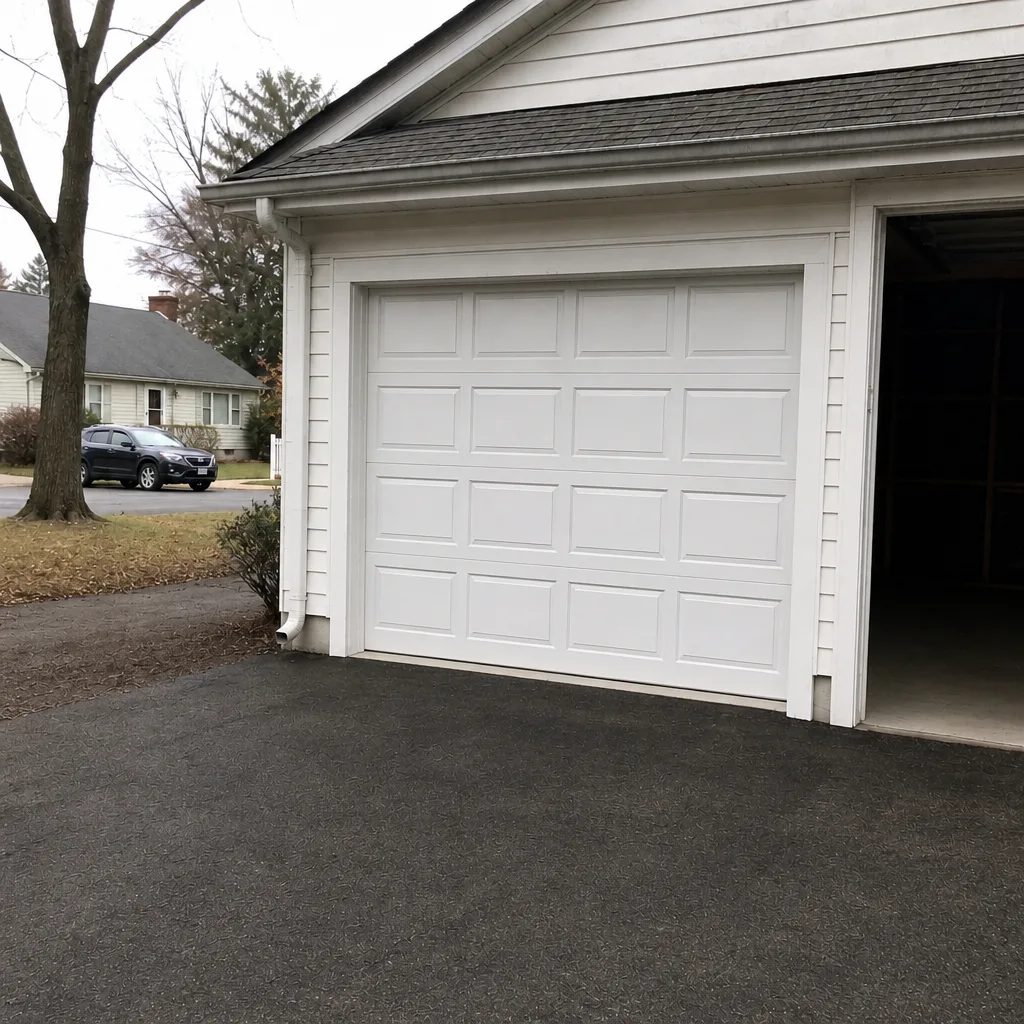
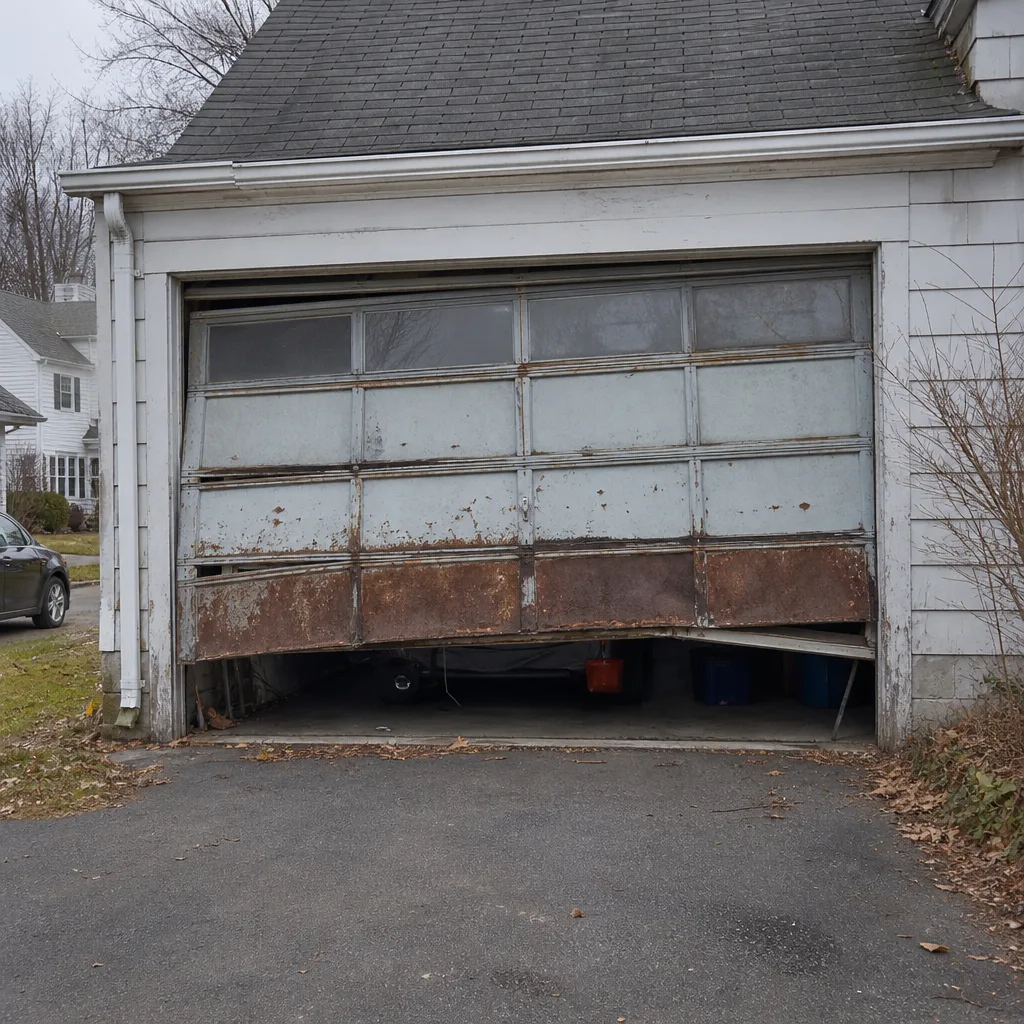
See the difference
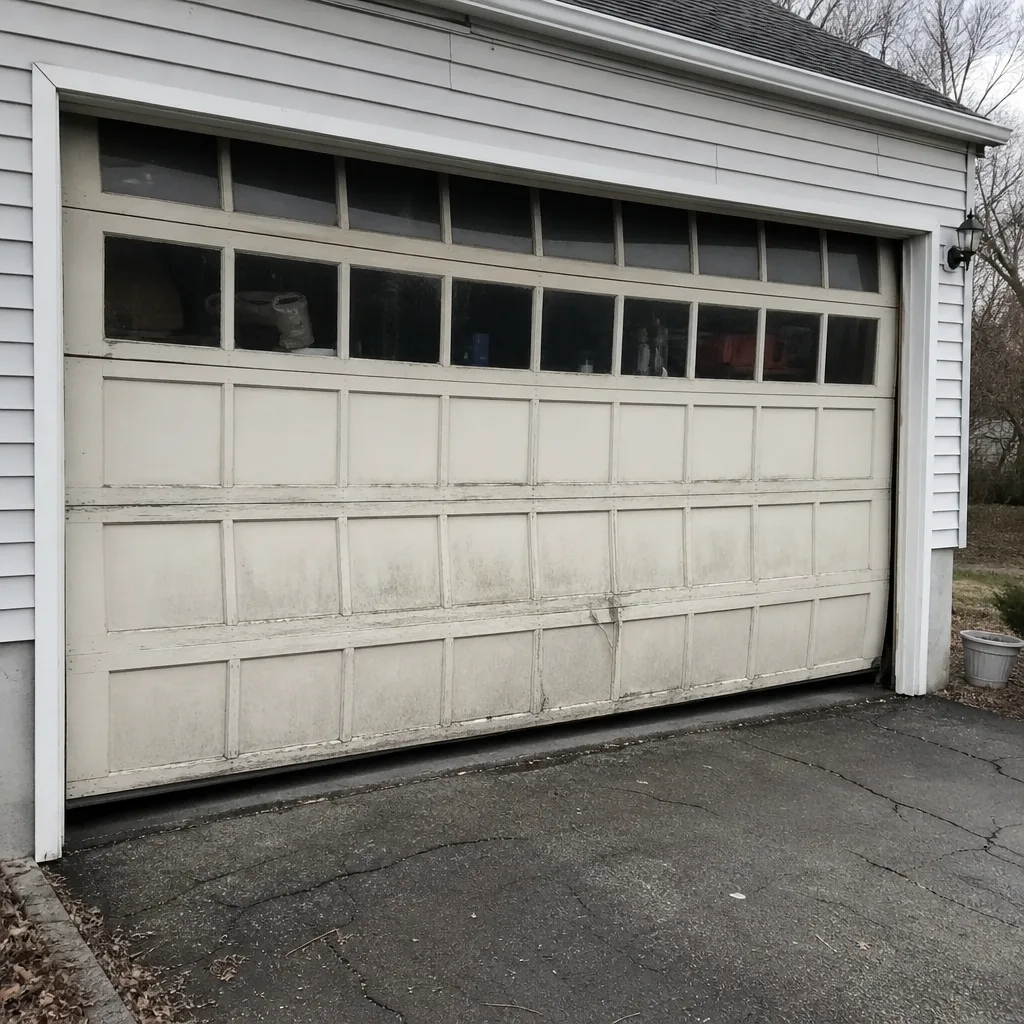 Before
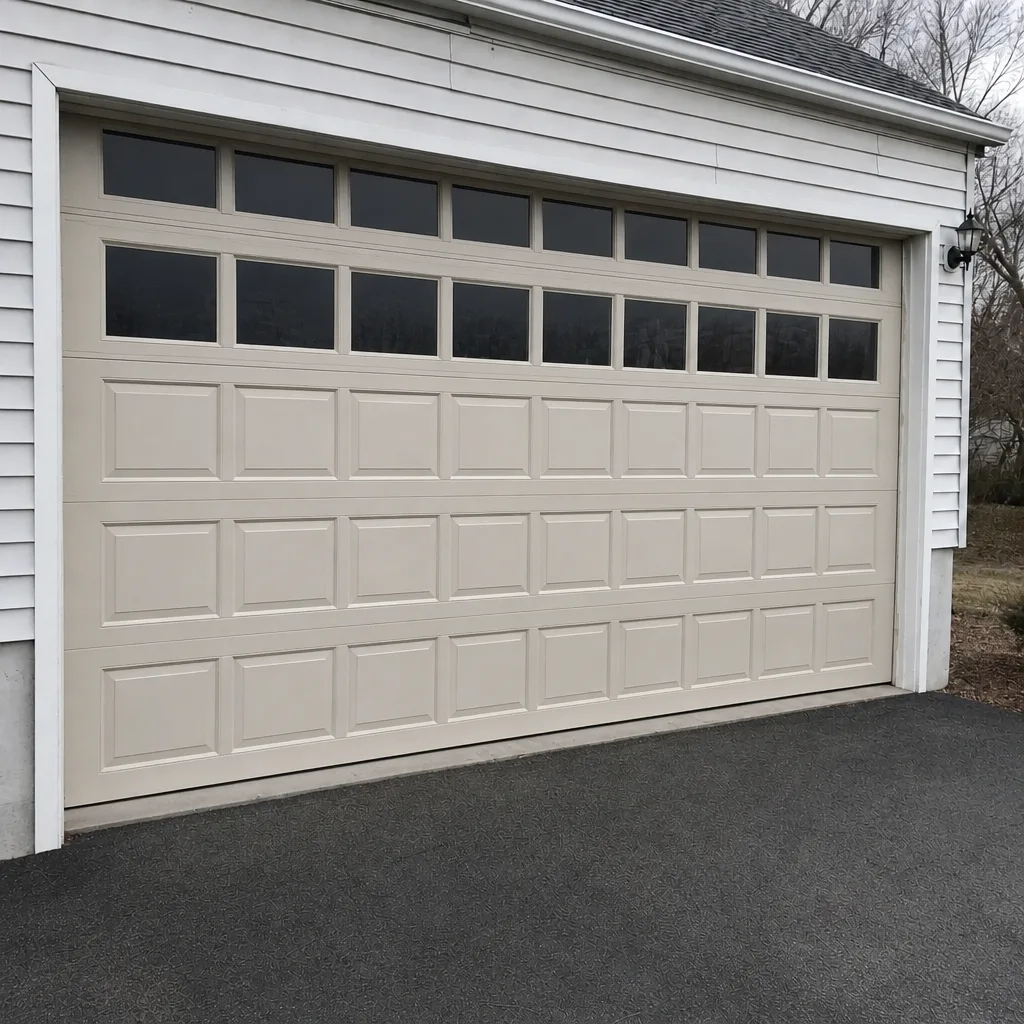 After
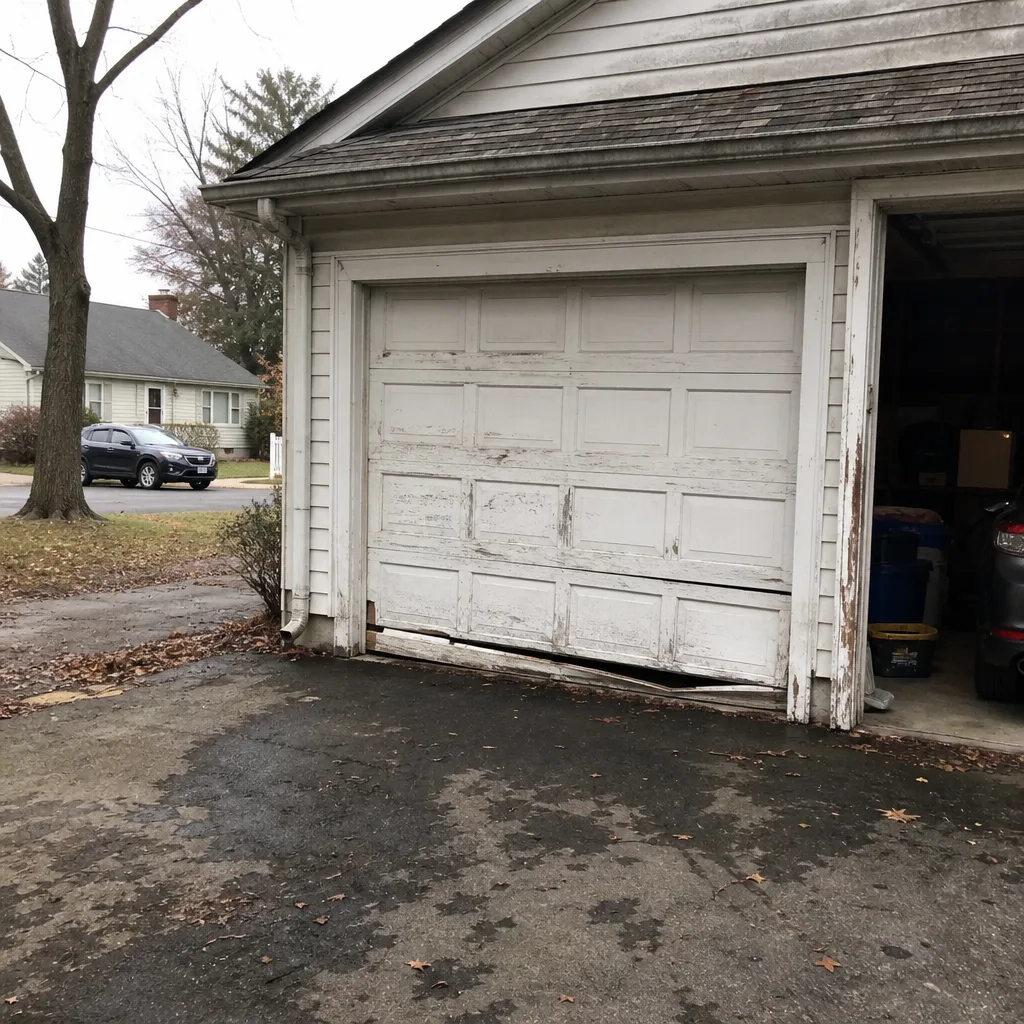 Before
 After
 Before
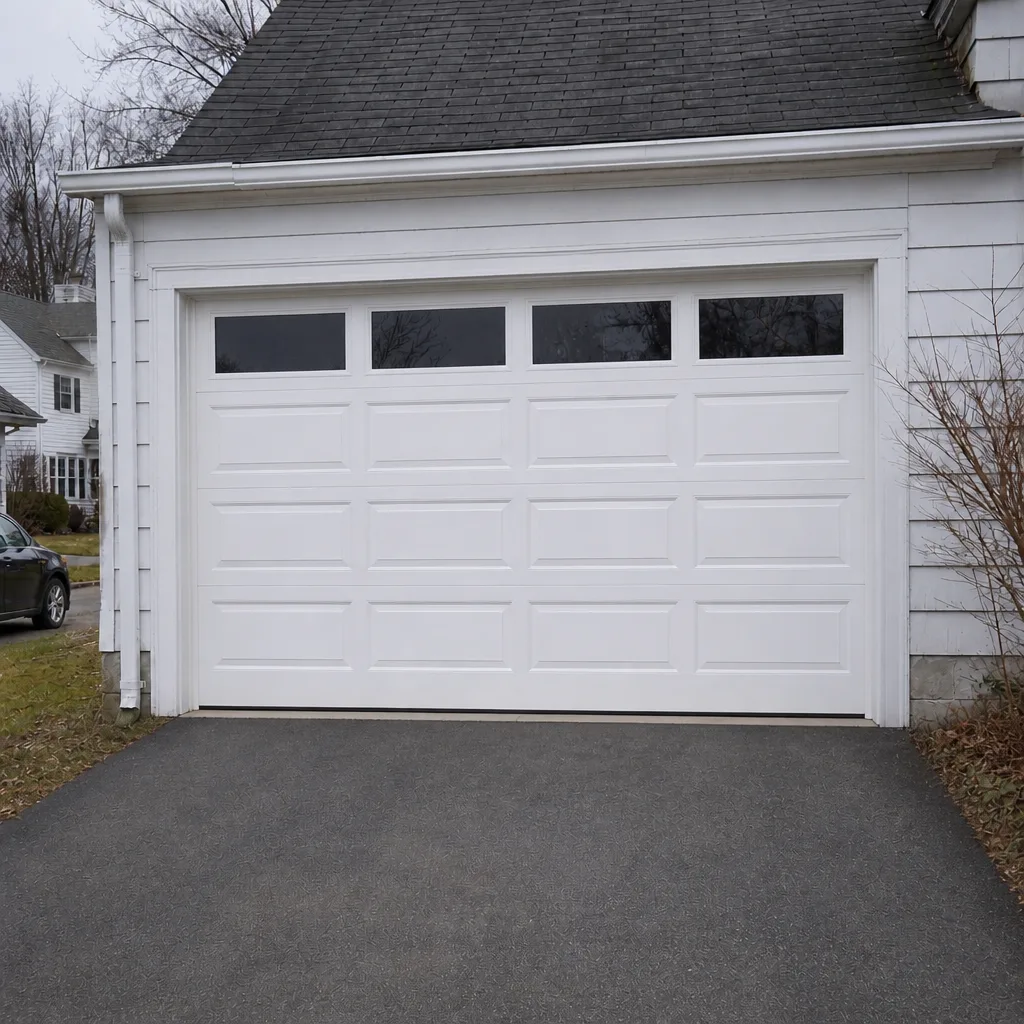 After
Frequently Asked Questions
A spring that’s close to failing usually shows warning signs first: a door that feels heavier than it used to, a door that won’t stay up when you lift it by hand, or a loud pop followed by a door that won’t lift at all. Visible gaps in the coil are a sure sign it’s already broken. If you suspect a spring problem, stop using the door and call for an inspection – this is the highest-tension component in the system, so it’s not a job to test yourself. Call (866) 937-7098 for a free estimate.
Grinding is usually metal-on-metal contact from worn rollers or a dry, corroded track, and it means the door is wearing faster than it should. It’s rarely an emergency on its own, but it accelerates wear on every part it touches. Have it looked at within a few weeks rather than waiting for it to get louder. Call (866) 937-7098 for a free estimate.
It’s not usually dangerous, but it does mean the door won’t close reliably until it’s fixed. The most common causes are misaligned or dirty safety sensors at the bottom of the track, or travel limits that need adjusting. Check the sensor lenses for dirt or obstruction first; if they’re clear and the door still reverses, it needs an opener repair visit. Call (866) 937-7098 for a free estimate.
No. Cables are under heavy tension and can cause serious injury if they slip while you’re working on them, so this is one repair to leave entirely to a trained technician. A frayed cable also means the door shouldn’t be operated until it’s inspected. Call (866) 937-7098 for a free estimate.
Once a year is a reasonable baseline for most Milford homes, and every six months if your door is older or has original hardware. Milford’s wet winters and freeze-thaw cycle work on the hardware faster than in drier climates, so an annual check catches rust, seal gaps, and spring wear before they turn into a bigger repair. Call (866) 937-7098 for a free estimate.
Describe the sound or sighting in plain words – grind, squeal, pop, thump, gap at the floor, rust below a hinge – and say when it happens: at start, during travel, or at the end. Note the opener brand and model if you can, and mention whether the door still opens and closes normally. That’s usually enough for a technician to know what to expect before arriving. Call (866) 937-7098 for a free estimate.
The Bottom Line
Garage doors rarely fail without warning. The grind, the squeal, the pop, the gap at the floor, the rust streak below a hinge – each one points to a specific component and a specific level of urgency. The triage table above is the fastest way to sort your own door’s signals into watch-it and call-today categories, and photographing a warning sign from a safe distance gives a technician a head start. Springs and cables are the two findings to never test on your own. For everything else, a free estimate turns a guess into a clear diagnosis and a written price. Call (866) 937-7098 for a free estimate.
Written by the team at Milford Garage Door Repair Co.